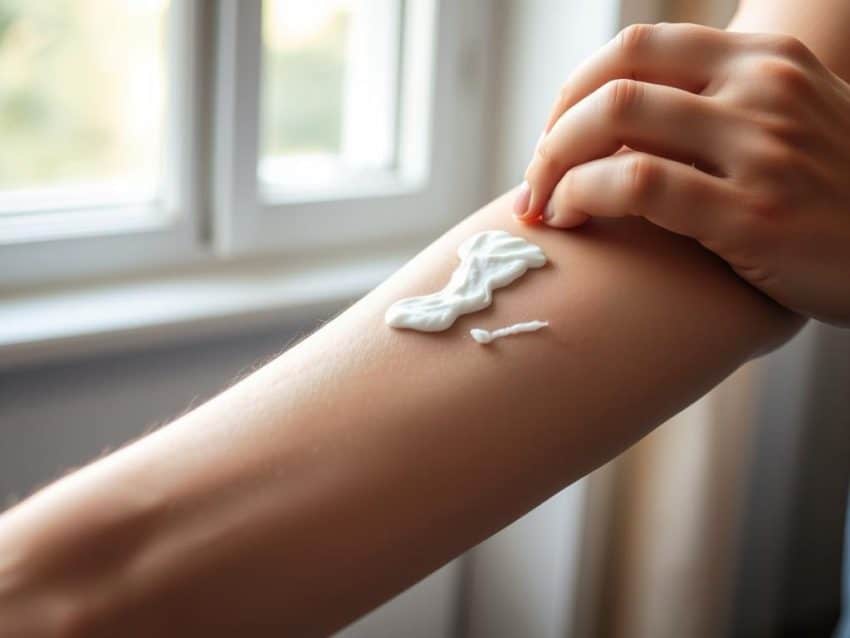
Getting a tattoo is a personal journey, a canvas that tells our stories. But, it comes with tattoo pain and discomfort. I remember feeling both excited and nervous about the pain.
Managing tattoo pain is key for comfort and the artwork’s look. Knowing about tattoo pain helps us prepare and use the right strategies. This makes the journey as beautiful as the final piece.
We’ll look at everything from getting ready to the best products for aftercare. This will help you through this transformative process.
Key Takeaways
- Understanding tattoo pain levels is key for pain relief.
- Talk about pain management with your tattoo artist before.
- Good aftercare is vital for less discomfort and avoiding problems.
- Numbing creams can make you more comfortable during tattooing.
- During healing, you might feel itching and flaking.
- Drinking water and eating well before getting inked can lessen pain.
Understanding Tattoo Pain and Discomfort
Exploring tattoos, I find it key to grasp pain and discomfort. Pain levels vary due to many factors. Each person’s pain threshold is unique, leading to different experiences.
The tattoo’s location, size, and the artist’s skill also play big roles. These factors greatly affect the sensations I feel during the tattooing.
Factors Influencing Tattoo Pain Levels
The sensitivity of body areas greatly affects pain levels. Less painful spots include the outer upper arm, forearm, and outer thigh. On the other hand, areas with more nerves, like the ribs and spine, can be more uncomfortable.
My overall health and the number of tattoo sessions also impact discomfort. Studies show people with tattoos might handle pressure pain better than those without.
Common Sensations During Tattooing
During tattooing, I might feel different sensations. Many find the pain moderate to severe at first, feeling like a bruise. As healing starts, I might feel itchiness or a burning sensation.
In the first week, discomfort is high. The second week brings a mix of feelings. Pain usually lessens in the weeks after, making it easier as the skin heals.
Tattoo Pain Management Techniques
Managing pain during a tattoo session is key. It involves both mental and physical steps. By getting mentally ready, I can make the experience better. Knowing what affects tattoo pain helps me prepare before the session.
Preparation and Mental Readiness
Being mentally prepared is vital for tattoos. A good night’s sleep helps me feel less pain. Studies back this up, showing rest improves comfort.
Eating a balanced meal two hours before helps too. It keeps my blood sugar stable, reducing pain. Meditation or stretching for ten minutes calms my mind, helping with pain management.
Physical Comfort During the Procedure
Physical comfort is important during tattoos. Wearing loose clothes makes moving easier and avoids discomfort. Staying hydrated keeps my body working well during the tattoo.
Distractions like music or talking can take my mind off pain. The area being tattooed also affects pain levels. Arms and legs usually feel less pain than sensitive spots.
Use of Numbing Cream
Numbing cream can help, but it’s temporary. Artists often suggest Lidocaine creams. But, the effect might fade during long sessions.
It’s important to follow the cream’s instructions and talk to my artist. This way, I avoid too much numbness, which can make communication hard. Knowing the downsides helps me choose wisely.
Tattoo Aftercare for Effective Pain Relief
Proper tattoo aftercare is key for pain relief and healing. Spending time on post-tattoo care can greatly improve your experience. It reduces pain and lowers the risk of complications.
Following important aftercare steps keeps your tattoo looking great and eases discomfort. This is important during the healing process.
Essential Aftercare Steps
To keep your tattoo clean and pain-free, wash the area with antibacterial soap three times a day. This fights off bacteria and prevents infections, which can happen in 1-5% of cases without proper care.
After washing, apply a soothing moisturizing ointment to help it heal faster. It’s important to resist the urge to pick at scabs, as it can cause permanent scarring. Also, keep the tattoo covered for the first 24 hours to protect it.
Soothing Products for Relief
Choosing the right soothing products is important. Tattoo aftercare ointments from brands like HUSH or Aquaphor are better than petroleum-based ones. They help with healing and skin care.
These products keep the skin hydrated, which is good because up to 30% of people face complications from poor aftercare. Once your tattoo heals, use sunscreen with SPF 30 or higher to prevent fading. Keeping your tattoo moisturized and hydrated is essential for comfort and lasting results.
