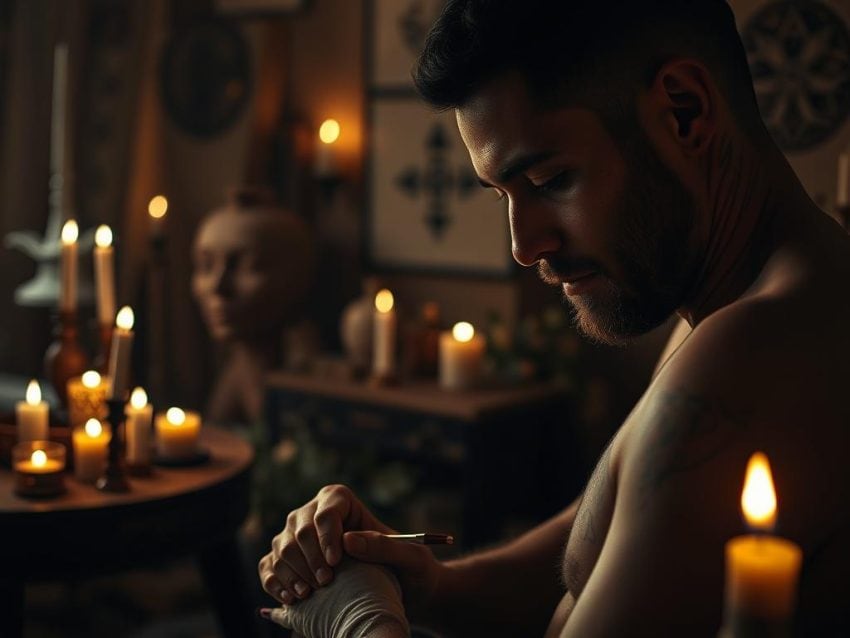
As I sit quietly, I reflect on my tattoo journey. Tattoos are more than just ink on our skin. They carry deep meaning, symbolizing spiritual journeys and life changes. Many of us see tattoos as a way to express ourselves, but ancient cultures used them for much more.
In tattoo ceremonies, they marked important life events and spiritual connections. Egyptian mummies from 2000 BC and Polynesian warriors’ tattoos show ink’s role in connecting the visible and sacred. This journey explores how ancient cultures used tattoos as rituals, reflecting our deep human experiences of identity, community, and change.

Key Takeaways
- Tattoos on mummies in Egypt highlight their spiritual significance as early as 2000 BC.
- In ancient China, tattoos marked social status and identification, particular among criminals.
- Polynesian tattoos symbolized social hierarchy and lineage, vital in warrior cultures.
- The art of irezumi in Japan was associated with spiritual protection for samurai.
- Indigenous tribes utilized tattoos to convey rich cultural storytelling and identity.
- The transition of tattoos from stigmatized markings to mainstream acceptance illustrates a shift in societal values.
- Today, tattoos are a powerful medium for personal storytelling and emotional healing.
The Historical Significance of Tattoos in Ancient Cultures
Tattoos have a rich history across different cultures. They were more than just body art; they were symbols of beliefs, social status, and spiritual values. From ancient Egypt to indigenous peoples, each culture had its own unique tattoo traditions.
Ancient Egyptian and Chinese Practices
In ancient Egypt, tattoos were symbols of fertility and religious devotion. Tattoos on mummies from around 2000 B.C. show their deep spiritual meaning. These tattoos connected them to their beliefs about life and the afterlife.
In China, tattoos started as a sign of punishment but later showed social status. This shows how tattoos have been seen as both a mark of shame and a sign of identity.
Tattoos in Indigenous Cultures
Indigenous cultures worldwide see tattoos as key to their identity. For example, the Māori of New Zealand have the Tā Moko system. It shows rank, lineage, and achievements, passed down through generations.
In Polynesian cultures, tattoos are called “tatau,” meaning to strike. They are important in rites of passage, showing their spiritual value. These customs connect people to their ancestry and community.
Tattoos as Personal Rituals
Tattoos have become more than just body art. They are personal rituals that mark important life changes. About 50% of people get tattoos to celebrate big moments. These tattoos show strength and healing.
For example, 25% of tattooed folks have ink to remember loved ones. It’s a way to keep their memory alive.
Personal Transformation and Rites of Passage
In many cultures, tattoos mark important life events. The Māori tribe in New Zealand has Tā moko tattoos. These tattoos show status and connect people to their family.
About 90% of Māori believe their tattoos tell their story. And 80% of tattoo fans see their tattoos as a way to share their life’s journey.
Modern Revival of Ritual Tattoos
Today, tattoos are seen as ritual tattoos with deep meaning. Tattoo artists create a special space for each session. They use energy healing and spiritual practices to make it more meaningful.
Studies show 40% of people find tattoos therapeutic. Many see the pain as a way to take back control of their bodies. About 30% see tattoos as a way to heal emotionally. This shows tattoos have a lasting impact on our lives.
Conclusion
Tattoos have grown from simple body art to deep expressions of who we are and our stories. They show our cultural roots and personal growth. From ancient rituals to today’s trends, tattoos tell our life stories.
They mark important life changes, like becoming a mother. Tattoos show our life’s journey. They are more than just ink on skin.
Tattoos are like rites of passage, showing our deepest feelings and experiences. For example, the Ainu and Yakuza use tattoos to show their community ties. The tattoo process creates a special bond between artist and client.
This bond is built on shared experiences, healing, and strength. Tattoos are a way to connect and share our stories.
As society gets more open to tattoos, they’re becoming more popular, mainly among the young. This shows tattoos are evolving to celebrate our identities and life’s big moments. Tattoos weave together different views, showing each one has a story to tell.
