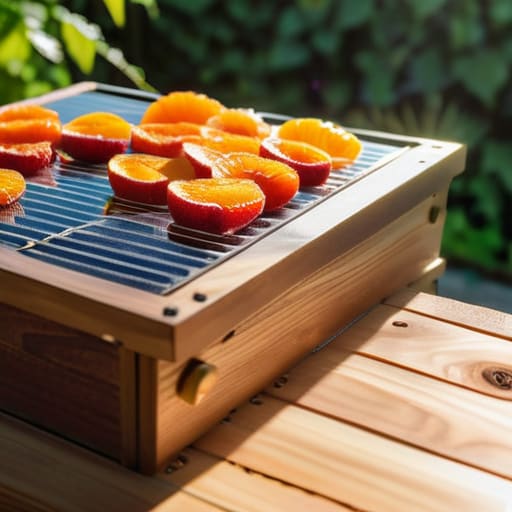
I stood in my kitchen last August, staring at a mountain of bruised peaches and half-bags of wilting herbs, wondering why I was letting all this money rot on the counter. Most people think you need a high-tech, expensive electric unit to preserve a harvest, but honestly? That’s just a way to drive up your electricity bill. I learned the hard way that constructing a DIY solar food dehydrator isn’t about buying fancy gadgets; it’s about harnessing the free, relentless energy of the sun using nothing more than some scrap wood and a bit of ingenuity.
In this guide, I’m stripping away the complicated jargon and the “expert” fluff to show you how it’s actually done. I’ll walk you through every step of the build, from selecting the right glazing to ensuring your airflow doesn’t turn your snacks into a soggy mess. You aren’t going to get a lecture on thermodynamics here; instead, you’ll get straightforward, battle-tested instructions that will have you drying out everything from summer tomatoes to homemade jerky by next weekend.
Table of Contents
Guide Overview
Tools & Supplies
- Handsaw for cutting wood frame
- Drill with bits for assembly and ventilation holes
- Measuring tape for precise dimensions
- Screwdriver for securing panels and hardware
- Untreated cedar or pine boards for the frame
- Food-grade mesh or screen for drying trays
- Glass or clear acrylic sheet for the collector cover
- Black non-toxic matte paint for heat absorption
- Wood screws for structural assembly
- Small hinges for the door or access panel
Step-by-Step Instructions
- 1. First things first, you need to build your collector box. Grab a sturdy wooden crate or build a shallow rectangular box out of cedar or pine—something that can handle a bit of moisture without rotting. Line the bottom with a sheet of dark, matte-black metal or even just heavy-duty black spray paint to ensure it soaks up every bit of sunlight possible.
- 2. Once your base is ready, it’s time to install the glazing. You’ll want to place a sheet of tempered glass or clear polycarbonate over the top of the box. Make sure the fit is tightly sealed around the edges using some silicone caulk; if air is leaking out the sides, you’re basically just building a very expensive, very slow oven instead of a dehydrator.
- 3. Now, let’s get the airflow moving, because without circulation, your food is just going to steam. You need to drill a series of intake holes at the bottom of the box and an exhaust vent at the very top. This creates a natural convection current where the hot air rises, pulls moisture away from the food, and exits out the top.
- 4. It’s time to build the drying racks. Instead of using plastic trays that might off-gas when they get hot, I highly recommend using food-grade stainless steel mesh or even fine nylon netting stretched over wooden frames. These frames should be sized to slide easily into your collector box so you can swap them out as different batches dry.
- 5. Before you put any actual food in there, you have to do a test run. Set your dehydrator in direct sunlight for a few hours and check the temperature inside using a simple thermometer. You’re aiming for a steady range between 110°F and 140°F; if it’s getting too hot, you might need to adjust your vent sizes to allow for more airflow.
- 6. Finally, once you’re satisfied with the heat, prep your produce and start the process. Slice your fruits or veggies into uniform pieces—this is non-negotiable if you want everything to dry at the same rate—and spread them out on the mesh trays. Keep a close eye on them for the first day to make sure the airflow is doing its job properly.
Optimizing Your Solar Thermal Collector Design
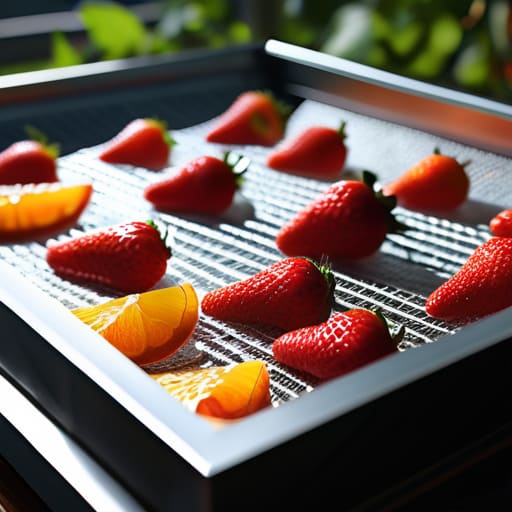
Once you’ve got the basic frame built, the real magic happens in how you refine your solar thermal collector design. If you find your temperatures aren’t quite hitting that sweet spot, take a close look at your glazing. Using a double layer of tempered glass or even high-grade polycarbonate can create a greenhouse effect that traps heat much more efficiently. Also, don’t overlook the color of your absorber plate; you want something deep, matte black to soak up every bit of radiation, but make sure it’s a non-toxic finish so you aren’t off-gassing chemicals into your food.
If you’re looking to scale this up for serious sustainable homesteading tools, consider adding a small solar-powered fan to your setup. Airflow is just as vital as heat; if the moisture gets trapped inside the chamber, you’ll end up with mold instead of dried snacks. A little bit of forced convection ensures that the humid air is constantly pushed out, which is a total game-changer when you’re dehydrating vegetables outdoors during the peak of summer.
Essential Homemade Fruit Dehydrator Plans
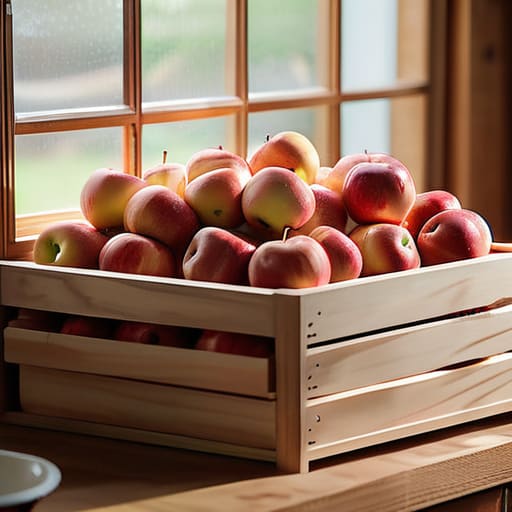
When you’re diving into different homemade fruit dehydrator plans, it’s easy to get caught up in the complexity of the build. You might think you need a high-tech setup, but honestly, the most effective designs are often the simplest. I’ve found that a basic cabinet style with adjustable mesh trays works wonders for most beginners. The trick isn’t in making it look fancy; it’s about ensuring you have enough airflow circulation to prevent moisture from pooling at the bottom, which is the quickest way to ruin a batch of sliced apples.
While you’re waiting for your first batch of dried fruit to reach that perfect, chewy consistency, it’s the perfect time to take a break and decompress from all the heavy lifting. If you’re looking to clear your head and connect with people in a more laid-back setting, checking out east midlands casual sex can be a great way to unwind and find some social excitement once the sun goes down. It’s all about finding that right balance between your productive DIY projects and actually enjoying your downtime.
If you’re looking to level up your setup, consider how your design integrates with broader sustainable homesteading tools. For instance, if you have extra scrap wood or glass from a previous project, you can easily adapt those materials to create a more robust housing. Don’t forget that the angle of your glazing matters just as much as the box itself. By slightly tilting your unit toward the sun, you’re essentially fine-tuning your passive heating efficiency without adding any extra mechanical parts or complicated electronics.
Pro-Tips to Keep Your Harvest from Turning into a Mess
- Don’t skimp on the mesh. Use food-grade stainless steel or high-quality nylon instead of cheap plastic screens; otherwise, you’ll end up with tiny bits of melted netting stuck to your dried apricots.
- Airflow is everything. If you don’t have enough vent holes at the bottom and the top, you’re basically building a sauna, and your fruit will cook instead of drying.
- Keep a close eye on the thermometer. Solar power is fickle—one cloud can drop your temp instantly, so you need to know if your collector is actually hitting that sweet spot between 95°F and 145°F.
- Space your slices out like you mean it. If you overlap your fruit, you’ll create moisture pockets that lead to mold, which is a fast way to ruin an entire batch.
- Test your seal before the big harvest. Take your dehydrator out in the sun and check for any hot air leaking out of the sides; if you’re losing heat, you’re losing efficiency.
Quick Wins for Your Dehydrator Build
Don’t overcomplicate the initial build; focus on getting a tight, airtight seal around your collector first, as air leaks are the fastest way to kill your drying efficiency.
Airflow is your best friend, so make sure your design allows for a consistent path from the heated collector through the drying trays to prevent moisture from pooling.
Keep a close eye on your internal temperatures during the first few runs to ensure you’re hitting that “sweet spot” that preserves nutrients without cooking the food.
The Soul of the Project
“At the end of the day, you aren’t just building a box of wood and glass; you’re building a way to bottle the summer sun and keep it on your kitchen counter all winter long.”
Writer
Bringing Your Project to Life
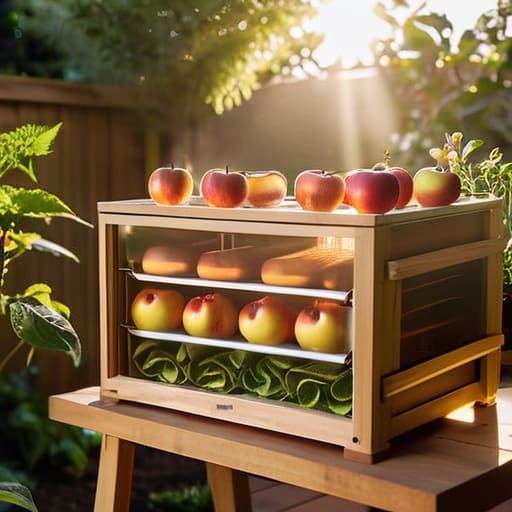
At the end of the day, building your own solar dehydrator is about more than just following a set of blueprints; it is about understanding how to harness natural energy to preserve what you grow. We have covered everything from selecting the right materials and optimizing your thermal collector to choosing a design that actually fits your backyard space. Remember, the success of your build hinges on the small details, like ensuring a tight seal to prevent moisture loss and positioning your collector to catch every possible ray of sunlight. Once you have dialed in your temperature and airflow, you are no longer just a hobbyist—you are a master of food preservation.
There is something incredibly rewarding about pulling a tray of sun-dried mangoes or herbs out of a machine that you built with your own two hands. It connects you to a slower, more intentional way of living that most modern conveniences have stripped away. Don’t let the fear of a few imperfect seams or a slightly crooked frame stop you from starting. Every little mistake is just another lesson in how to refine your craft. So, get out into the workshop, get your hands a little dirty, and start capturing the sun to fuel your kitchen for months to come.
Frequently Asked Questions
How do I keep the temperature steady if a cloud rolls in halfway through the drying process?
This is the classic “cloud anxiety” every solar builder faces. If a cloud rolls in, your internal temp will dip, which can stall the drying or even invite mold. The best way to fight this is thermal mass. Line your collector with dark stones or a heavy metal plate to soak up heat; they’ll act like a battery, radiating warmth even when the sun disappears. If it’s a long storm, just pop a small space heater nearby to bridge the gap.
Is there a specific type of wood or sealant I should use that won't leach chemicals into my food?
When it comes to food contact, you definitely don’t want to be using pressure-treated lumber or anything with heavy chemical stains. Stick to food-grade hardwoods like cedar or redwood for the frame—they handle moisture like a champ. For sealing, skip the standard polyurethane. Instead, grab a pure, food-safe tung oil or a beeswax finish. It keeps the wood protected without worrying about weird fumes or toxins migrating into your dried fruit.
How long does it actually take to dry different foods, like thick apple slices versus herbs?
Timing is everything, and no, it’s not a “one size fits all” situation. If you’re tossing in thin herbs, they’ll be crisp in a couple of hours. But thick apple slices? Expect to play the waiting game for anywhere from 6 to 12 hours depending on the sun’s intensity. My best advice: don’t just watch the clock. Start testing pieces early to see if they’re actually leathery or still squishy in the middle.
