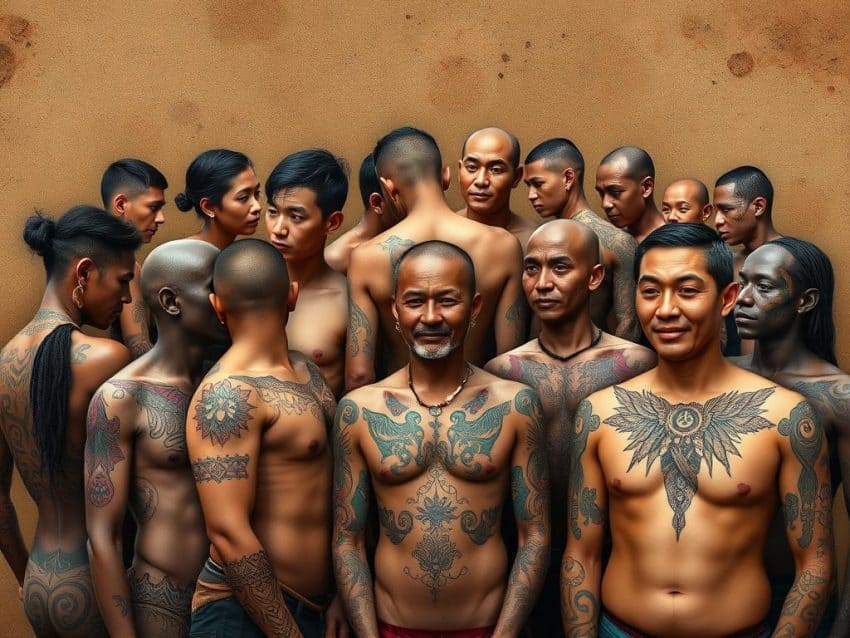
As I sit here, I feel a deep connection to tattooing. It’s more than just ink on skin; it’s a way to express identity and history. Tattoos tell stories of cultures and traditions from all over the world.
They show our shared humanity through designs that span continents and centuries. Tattoos are like a canvas for cultural stories. They carry the weight of our past and present.
Through this article, I invite you to explore tattoo traditions from around the globe. We’ll look at their significance, how they’ve evolved, and their cultural impact. Tattoos continue to shape who we are today.
Key Takeaways
- Tattooing dates back thousands of years, reflecting deep cultural significance.
- Many traditional designs are rooted in historical practices and local customs.
- Tattooing is viewed differently in various cultures, alternating between art form and social stigma.
- Modern interpretations are reshaping perceptions, specially among younger generations.
- Global tattoo styles evolve continuously, influenced by technology and globalization.
The Rich History of Tattoo Traditions Around the World
Tattoos connect people deeply with their heritage. They have been around for over 5,000 years. Each culture has its own unique tattoos, filled with special meanings.
Ötzi the Iceman’s tattoos are some of the oldest known. They might have been for healing. In ancient Egypt, tattoos were for health. But in ancient Greece and Rome, they marked criminals and slaves.
In East Asia, tattoos started as art but later linked to crime. This shows how tattoos have different meanings in different places.
Ancient Origins and Practices
Ötzi the Iceman lived around 3300 BCE. He had 61 tattoos that might have been for healing. In ancient Egypt, tattoos were for health, found on female mummies.
In contrast, ancient Greeks and Romans used tattoos to mark criminals and slaves. This shows how tattoos have been used in different ways. East Asian tattoos, like Japanese horimono, started as art but later were linked to crime.
Regional Variations and Their Meanings
Every region has its own tattoo stories. Polynesian tattoos, or tatau, show social status and family history. They take weeks to complete with detailed designs.
Māori moko tattoos tell of lineage, with elaborate facial designs. In Mexico, tattoos show ancestral pride and historical symbols from Aztecs and Mayans. Even in the US, tattoos are common, but knowing their history makes them more meaningful.
Tattoos tell personal stories and show cultural identity. They connect the past with today’s expressions.
The Evolution of Tattoo Art and Styles
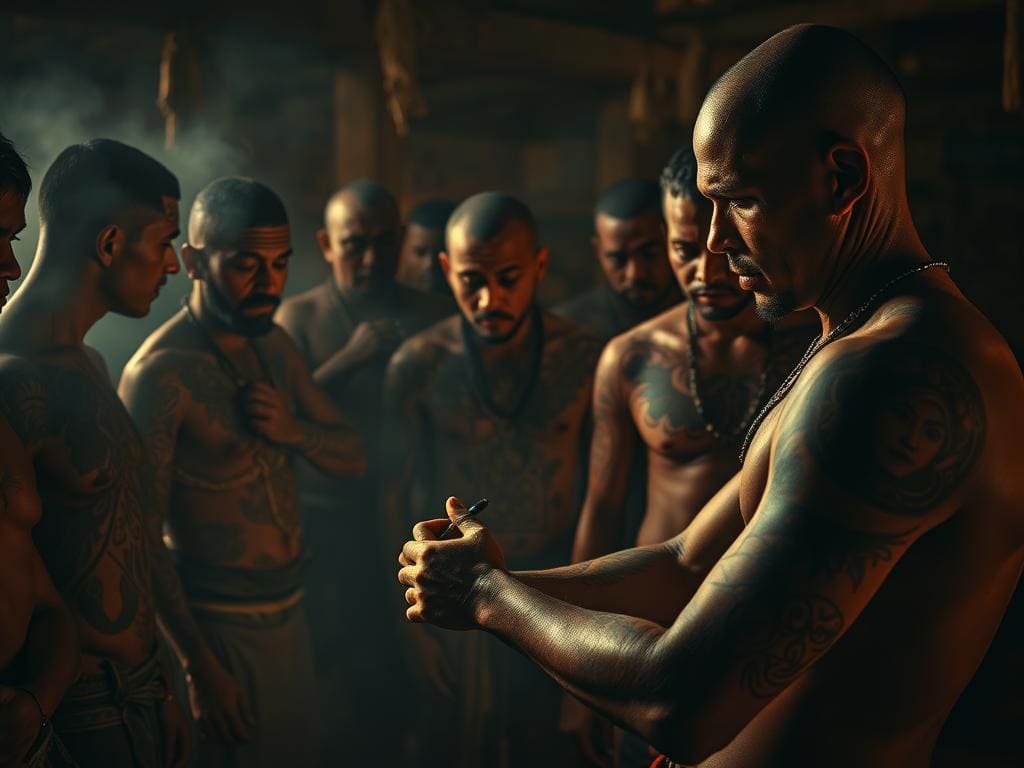
Tattooing has changed a lot over the centuries. Traditional styles paved the way for today’s techniques. This journey shows how tattoos have always been about identity, expression, and art.
Traditional Styles vs. Modern Interpretations
Older times had traditional tattoo styles like American Traditional and Japanese Irezumi. These tattoos meant a lot, showing who you were and what you believed. Now, we see modern tattoos that tell personal stories through detailed designs and colors.
This mix of old and new has opened up new ways for artists to express themselves. It’s changed how we see tattoos today.
Current Trends and Popularity
Today, tattoos are all about being different and accepted. We see everything from simple designs to big, colorful ones. Celebrities and social media have made tattoos cool again.
New tattoo tech has made getting a tattoo safer and more precise. This has made tattoos even more popular. It shows tattoos are now seen as a way to show who you are.
Conclusion
Tattoos hold deep cultural meaning around the world. They go beyond just body art. From Ötzi the Iceman’s ancient marks to Egypt’s healing tattoos, tattoos tell our stories and show our identity.
In the US, 30% of young adults have tattoos. This shows tattoos are becoming more accepted. New tattoo tech and inks have made tattoos safer and more creative. This opens up new ways to express ourselves, like glowing and 3D tattoos.
Tattoos connect us to our past and help us express who we are today. They are a bridge between old and new. As tattoos become more popular, their importance in our culture will only grow.
