As I sat in the tattoo parlor, the vibrant art around me told many stories. Each piece was unique, and I was excited to choose my own. But, I couldn’t help but worry about the pain.
I thought about how the tattoo would feel on my skin. Would it be painful, or would it be a memorable experience? I realized that knowing about tattoo pain and comfort could make it less scary.
Tattoos are more than just art; they’re personal stories and milestones. By learning about tattoo pain management, I was ready for a journey of beauty and comfort.
Thanks to new techniques and aftercare products, the journey can be smoother. Let’s explore how to ease tattoo pain and make the experience more comfortable.
Key Takeaways
- Tattoo pain varies based on location and individual tolerance.
- Understanding the factors affecting pain can prepare you for your tattooing experience.
- Effective pain management techniques can greatly enhance comfort during the session.
- Aftercare is key for less pain and proper healing.
- Numbing agents and stress-relief strategies can help reduce pain perception.
- Consulting with your tattoo artist can offer personalized comfort tips.
- Stay hydrated and nourished to manage discomfort during your appointment.
Understanding Tattoo Pain
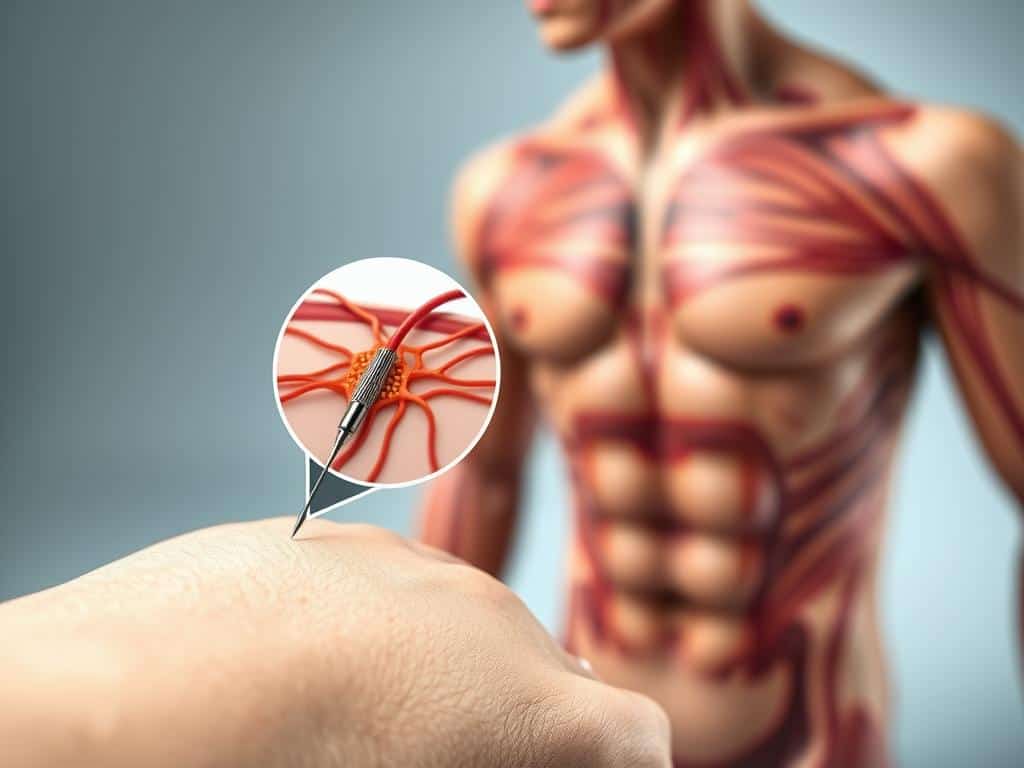
Tattoo pain can change a lot based on different things. Knowing what causes tattoo pain helps set the right expectations. The main reason for pain is the tattoo needle going into the skin, which triggers nerve endings. People feel pain differently, because of many factors affecting tattoo pain.
What Causes Tattoo Pain?
Pain from tattoos comes from the needle touching the skin. Places like the ribs, spine, and groin hurt more because they have more nerves. But, areas like the outer upper arm or forearm hurt less because they have fewer nerves.
The artist’s skill also affects how you feel. You might feel dull pain or sharp stings, depending on the skin’s thickness.
Factors Affecting Tattoo Pain Levels
How much pain you feel depends a lot on your own pain tolerance. Things like tattoo size, design detail, and how long it takes can change how much it hurts. Bigger and more detailed tattoos take longer, which can be more uncomfortable.
Also, your skin’s condition can affect pain. Older or looser skin might bruise more, and people who’ve had tattoos before might feel less pain.
Common Misconceptions About Pain During Tattoos
Many think all tattoos hurt the same, but that’s not true. Pain really depends on where you get the tattoo, how sensitive your skin is, and the artist’s skill. A new artist might cause more pain because of their technique.
Knowing these myths helps you understand what to expect. It’s important for anyone thinking about getting a tattoo.
Tattoo Pain and Comfort: Strategies for a Smoother Experience
Managing pain during a tattoo session needs careful planning and knowledge. By using the right strategies, I can make my experience more comfortable. Here are important tips for before, during, and after the tattoo process.
Preparing for Your Tattoo Session
Getting a good night’s sleep is a key tattoo preparation tip. At least 8 hours helps improve mood and pain tolerance. Drinking plenty of water keeps my skin elastic, making tattooing smoother.
It’s best to avoid alcohol and caffeine before the session. They can make bleeding and discomfort worse. Eating a meal with protein and healthy fats gives me energy for the session.
Choosing the Right Tattoo Location
When picking a tattoo spot, I look for areas with more fat and fewer nerves. The upper arm, thighs, or buttocks are usually less painful. But, spots near bones or with many nerves, like ribs and ankles, can hurt more.
Choosing the right location can greatly affect my comfort during and after the tattoo.
Effective Pain Management Techniques
Using pain management techniques makes a big difference. Deep breathing exercises help reduce pain perception. Listening to music or podcasts distracts me during the session.
Topical anesthetics like lidocaine can numb some pain, but they don’t remove it all. Taking short breaks and talking to the tattoo artist about pain levels are also important.
Post-Tattoo Care for Enhanced Comfort
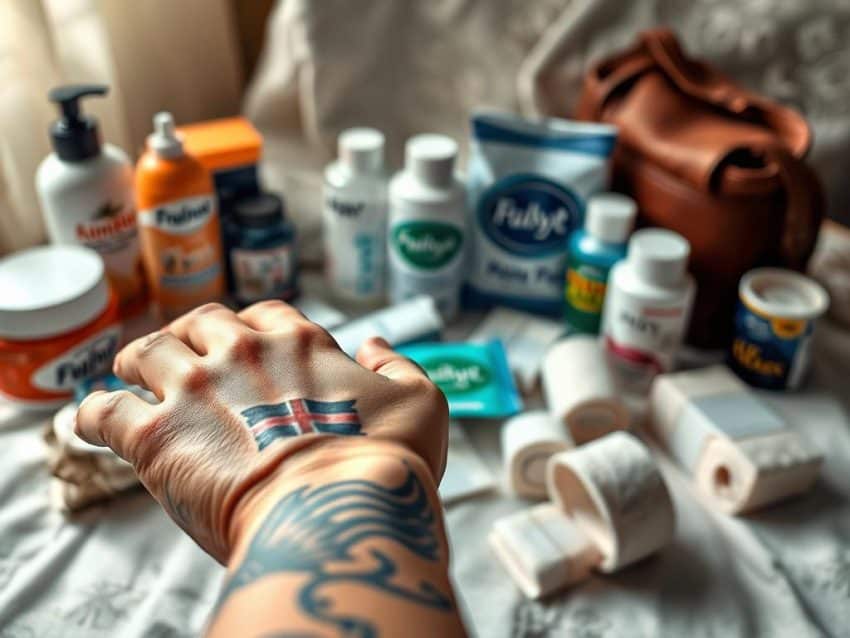
After the tattoo, proper aftercare is key to comfort and healing. Keeping the tattoo clean and moisturized helps manage pain. Watch for signs of infection like increased redness or swelling.
To reduce swelling and numbness, I use ice therapy and over-the-counter pain relievers like ibuprofen. Following these steps helps my tattoo heal well and reduces complications.
Conclusion
Thinking about my tattoo journey, I see that managing pain is a big part of it. But it shouldn’t take away from the beauty and meaning of the tattoo. Knowing how much pain different spots can cause, like the rib cage, helps me get ready. It makes me feel more confident when I get my tattoo.
Using water and numbing creams can make the tattoo process better. Knowing my pain limits and talking to my tattoo artist helps too. It’s important to remember that the pain is only temporary. Each line of the tattoo is a step towards expressing myself in a new way.
In the end, using these tips helps me enjoy the tattoo process more. It’s not just about getting through the pain. It’s about celebrating the art and what it means to me. Preparing well and understanding pain helps make the experience joyful and transformative.
