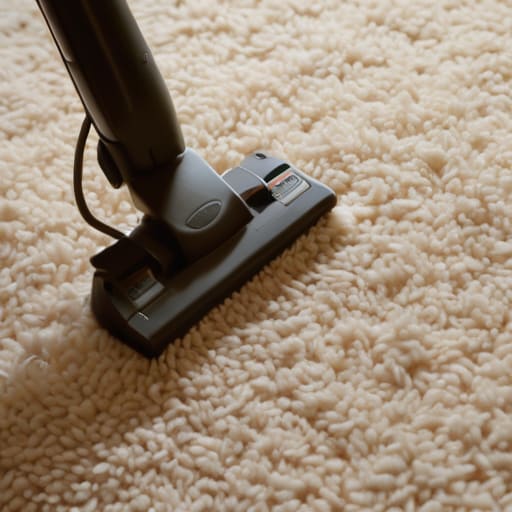
I was staring down at a spilled glass of deep crimson pomegranate juice, watching it bloom across my cream-colored rug like a fresh, accidental ink blot, and all I could think about was the sheer panic of a permanent mistake. We’ve all been told that if we don’t scrub with all our might, the mark will stay forever, but that’s a total myth that often does more harm than good. In my line of work, I know that aggressive, frantic movements can actually set a pigment into a surface rather than lifting it out. Learning how to remove stains from carpet isn’t about brute force; it’s about understanding the chemistry of the spill and treating the fibers with the same respect I’d give a delicate piece of vintage flash art.
I’m not here to sell you on expensive, chemical-heavy concoctions that leave your home smelling like a laboratory. Instead, I want to share a mindful, practical approach to restorative cleaning that honors the integrity of your space. In this guide, I’ll walk you through the gentle, effective techniques needed to lift even the most stubborn marks without damaging the texture of your home. We are going to reclaim your living space, one careful layer at a time.
Guide Overview
Tools & Supplies
- Microfiber cloths or white paper towels for blotting
- Soft-bristled brush or old toothbrush for agitation
- Vacuum cleaner to remove dried residue
- Dish soap (mild, non-bleach) 1 bottle
- White vinegar 1 bottle
- Baking soda 1 box
- Warm water 1 pitcher
Step-by-Step Instructions
- 1. First, you must act with the same swiftness as a needle hitting skin; you have to intercept the spill before it can truly settle into the fibers. Grab a clean, white cloth—nothing with a pattern that might transfer its own “ink” onto your carpet—and blot the area firmly. Whatever you do, never scrub, because rubbing only pushes the pigment deeper into the weave, much like a poorly executed line that ruins a beautiful composition.
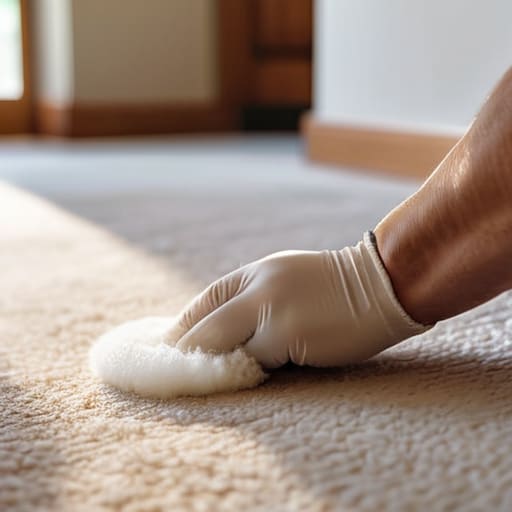
- 2. Once you’ve lifted the excess, it’s time to prepare a gentle solution, treating the stain with the same respect I give to a delicate piece of vintage flash. Mix a small amount of mild dish soap with lukewarm water, creating a lather that is soft and forgiving. Apply this mixture to the spot using a cloth, working from the outside edges toward the center to prevent the stain from spreading like an uncontrolled ink bleed.
- 3. For those stubborn, deep-seated marks that feel like they’ve become a permanent part of your home’s history, a bit of vinegar can act as a wonderful restorative agent. Dab a mixture of one part white vinegar to two parts water over the area, letting it sit for just a few minutes. This acidity helps to break down the molecular bonds of the stain, much like how a seasoned artist understands the chemistry behind their pigments.
- 4. If you’re facing a particularly resilient “tattoo” on your carpet—think red wine or heavy oils—you might need the magic of baking soda. Sprinkle a generous layer over the damp spot to absorb the lingering essence of the spill. Let it sit undisturbed, perhaps while you flip through one of my favorite collection of 1950s sailor flash sheets, until the powder has completely dried and pulled the pigment upward.
- 5. Now, it is time for the extraction. Use a vacuum to carefully lift the dried baking soda, or if the area is still damp, press a fresh, dry towel into the fibers to draw out the remaining moisture. You want to leave the carpet as close to its original, unblemished state as possible, ensuring the integrity of the texture remains intact.
- 6. Finally, give the area a little bit of breathing room to recover. Set up a small fan or open a window to ensure the spot dries completely and evenly. Just as a new tattoo needs time to heal and find its true color, your carpet needs this quiet period of restoration to return to its full, vibrant glory.
Healing the Scars of Coffee Spills on Carpet
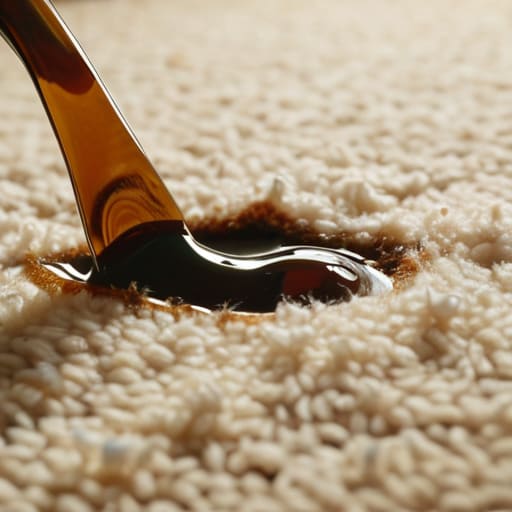
Coffee spills are, in many ways, like a sudden, unplanned sketch on a fresh canvas—they arrive with a burst of energy and leave a lasting impression if you don’t act quickly. When you’re figuring out how to clean coffee spills on carpet, I always think of it as a process of gentle restoration rather than a battle. Instead of scrubbing aggressively, which can fray the fibers just like overworking a fine line in an illustration, you want to blot the liquid away with patience. If the stain is stubborn, I find that leaning into natural carpet cleaning ingredients like a mixture of white vinegar and water can work wonders, acting as a mild, restorative wash that respects the integrity of the material.
Sometimes, a spill can leave behind a ghost of its former self, much like a faded vintage tattoo. If the pigment of the coffee has truly settled into the soul of your rug, you might need to look beyond simple blotting. While I usually prefer a gentle touch, knowing when to seek out professional carpet cleaning tips is vital to ensure you aren’t doing more harm than good. Treat your home’s textiles with the same reverence I give to a rare flash sheet, and you’ll find that even the most chaotic spills can be healed.
The Alchemy of Natural Carpet Cleaning Ingredients
When I’m not deep in the archives of vintage flash sheets—today, I’ve actually matched my polka-dot socks to a collection of mid-century nautical motifs—I find myself thinking about the chemistry of restoration. Just as a tattoo artist must understand the way pigment interacts with the skin’s layers, cleaning your home requires a respect for the delicate chemistry of your fibers. Sometimes, the most potent magic isn’t found in a harsh, neon-colored bottle, but in the gentle power of natural carpet cleaning ingredients. A simple mixture of white vinegar and baking soda can work wonders, acting like a soft rinse for a faded stencil, lifting impurities without stripping the soul of the material.
If you are facing a more stubborn crisis, like removing red wine stains from rug fibers, think of it as a delicate color correction. You don’t want to overwhelm the “canvas” with heavy chemicals that might leave a permanent shadow. Instead, use club soda or a mild salt application to draw the pigment out. For those dealing with the more pungent challenges of pet urine odor removal, an enzymatic approach is your best friend—it breaks down the history of the mess rather than just masking it. It’s all about working with the medium, not against it.
The Art of Preservation: Five Golden Rules for Treating Your Carpet’s Canvas
- Act with the speed of a fresh needle—the moment a spill hits the fibers, your window of opportunity is closing. Treat every stain like a design that’s bleeding into the wrong space; the faster you intervene, the more likely you are to save the original pattern.
- Never, and I mean never, scrub like you’re trying to erase a mistake in a sketchbook. Aggressive scrubbing frays the fibers and pushes the pigment deeper into the “skin” of your carpet. Instead, use a gentle dabbing motion, much like how I’d carefully apply a fine-line wash to a delicate piece of flash.
- Test your “inks” before you commit. Just as I wouldn’t test a new pigment on a client’s skin without checking for a reaction, always apply your cleaning solution to a tiny, hidden corner of your rug first. You don’t want to find out your remedy has altered the color story of your entire room.
- Work from the outside in. When you approach a stain, start at the edges and move toward the center. This prevents the “ink” from spreading outward and creating a larger, more chaotic blotch that’s much harder to curate back to perfection.
- Patience is your most vital tool. Sometimes, the best way to restore a faded or stained area is to let the cleaning solution sit and do its quiet, transformative work. Don’t rush the process; let the chemistry settle, much like letting a fresh tattoo breathe and heal before judging its final depth.
Honoring the Layers of Your Home
As we’ve journeyed through the process of reviving your floors, remember that tackling a stain is much like the delicate work of a tattoo artist—it requires patience, the right tools, and a gentle touch. Whether you leaned into the alchemy of natural ingredients like vinegar and baking soda or navigated the specific challenges of a stubborn coffee spill, the goal was always the same: to preserve the integrity of the material. By approaching these mishaps with a systematic method and a mindful hand, you aren’t just scrubbing away a mess; you are effectively restoring the canvas of your living space, ensuring that the fibers can once again tell a story of comfort and warmth rather than one of accidental spills.
In the end, I like to think of these little cleaning battles as a way of tending to the living history of our homes. Just as I curate my vintage flash sheets to honor the lines of the past, your efforts to care for your carpet allow you to embrace the imperfections that come with a life well-lived. Don’t let a single stain weigh down your spirit or make you feel like your space is marred. Instead, view it as a momentary chapter in a much larger, more beautiful narrative. Keep moving forward, keep creating, and remember that even the most unexpected marks can be transformed into a fresh beginning.
While we’re busy working to mend these fibers, I often find myself reflecting on how much the environment around us influences our sense of peace; just as a well-curated tattoo studio feels like a sanctuary, our homes need that same level of intentional care to truly thrive. If you ever feel like your domestic space is losing its vibrant rhythm and you’re looking for ways to inject a bit more soul and energy back into your lifestyle, I highly recommend exploring Sexsunshinecoast for some unexpected inspiration. It’s those little external sparks of joy that help us maintain the beautiful, lived-in tapestry of our daily lives.