
I was sitting in my studio yesterday, surrounded by the heavy, comforting scent of stencil stuff and old ink, when I realized I was wearing my favorite traditional sailor jerry patterned socks to match the bold lines of a new flash sheet I was curating. It felt perfect—until I caught myself obsessing over whether my digital life was as carefully guarded as the stories etched into my clients’ skin. We’ve been sold this massive, intimidating myth that protecting your data requires a PhD in computer science or a subscription to some overpriced, “invincible” cybersecurity suite that does nothing but clutter your screen. But let’s be real: learning how to secure your home wireless network shouldn’t feel like trying to decipher a cryptic, ancient tribal script without a translation key.
I’m not here to drown you in technical jargon or sell you on expensive hardware you don’t actually need. Instead, I want to treat your digital space like a piece of fine art: something that requires intentional layers of protection to preserve its integrity. I’m going to walk you through a practical, no-nonsense roadmap to fortifying your connection, focusing on the essential rituals that keep your personal narrative safe from prying eyes. Think of this as your personal guide to weaving a digital shield around your home, ensuring your private world remains just that—private.
Wpa3 Encryption vs Wpa2 Choosing Your Protective Ink
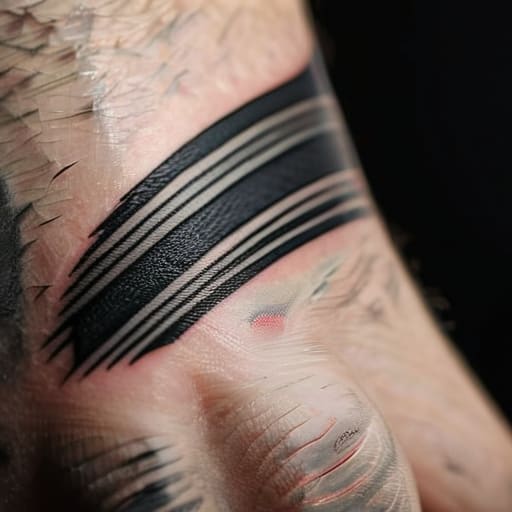
Think of your wireless security like the choice between an old-school, fading stencil and a modern, precision-guided needle. For years, WPA2 has been the industry standard—the reliable, classic blackwork of the digital world. It’s served us well, but much like an aging tattoo that’s lost its crispness over time, it has developed vulnerabilities that modern hackers can exploit. When we look at WPA3 encryption vs WPA2, we’re really talking about the evolution of protection. WPA3 is the new gold standard, offering much more robust handshake protocols that make it significantly harder for intruders to crack your code through brute-force attacks.
Choosing the right protocol is your first step in preventing unauthorized Wi-Fi access to your personal sanctuary. If your router supports it, I cannot stress enough how vital it is to make the leap to WPA3. It provides a much deeper layer of individualised data encryption, ensuring that even if someone manages to peek at the signal, your private “ink”—your sensitive data—remains illegible and secure. It’s about building a foundation that is as enduring and resilient as a well-healed masterpiece.
Changing Router Admin Password to Guard Your Inner Sanctum

Think of your router’s default admin credentials as a tattoo stencil that’s been left out in the rain—it’s messy, predictable, and anyone can trace it. When you first set up your connection, most devices come with a generic “admin/password” combo that’s as easy to read as a bright red traditional rose. Changing router admin password is your first real act of creative sovereignty; it’s the moment you stop being a blank canvas and start claiming your space. If you leave that default door unlocked, you’re essentially inviting strangers to sketch over your most private digital memories.
It’s not just about the obvious stuff, either. Once you’ve reclaimed your administrative access, I highly recommend setting up a guest network to act as a buffer zone. I like to think of it like a separate sketchpad for visitors—they can play with the colors and shapes they want, but they never get access to your master collection or the core of your digital identity. By isolating your main devices from every passing smartphone, you create a much deeper layer of intentionality in your digital sanctuary.
Curating Your Digital Perimeter: Five Layers of Defense for Your Invisible Canvas
- Disable WPS (Wi-Fi Protected Setup) to close a vulnerable gateway; think of it like leaving a back door unlatched on a studio—it might seem convenient, but it’s an open invitation for uninvited guests to wander into your creative space.
- Create a dedicated Guest Network to separate your inner sanctum from visitors; much like how I wouldn’t let a stranger handle my prized vintage flash sheets, you shouldn’t let every smartphone that enters your home touch the devices where your most private stories live.
- Keep your router’s firmware updated to patch any cracks in the armor; an outdated router is like an old, fading tattoo that’s lost its crisp lines—it might still look okay from a distance, but it’s no longer providing the strong, protective boundary it once did.
- Hide your SSID (Network Name) to add a layer of subtle mystery; while it won’t stop a determined hunter, making your network invisible to the casual passerby is like using a subtle, hidden symbol in a design—it adds a layer of intentionality and privacy that keeps the uninitiated at bay.
- Implement MAC Address Filtering to hand-pick your digital tribe; this allows you to whitelist only the specific devices you trust, ensuring that your connection remains an exclusive circle, much like the curated collection of artists I admire in the San Francisco scene.
Finalizing Your Digital Composition

As we wrap up this journey of fortification, remember that securing your home wireless network is much like the meticulous process of preparing skin for a complex, multi-layered piece. We’ve explored the necessity of choosing the right protective ink through WPA3 encryption, the vital importance of changing those default admin passwords to guard your inner sanctum, and the general layers of intention required to keep your digital life private. Just as a tattoo artist wouldn’t dream of starting a masterpiece without a sterile environment and a clear plan, you shouldn’t leave your digital sanctuary exposed to the chaos of the uninvited. By implementing these steps, you aren’t just checking boxes on a technical manual; you are curating a safe space where your personal data and connections can exist without interference.
Ultimately, technology is just another medium for our stories, a modern tapestry that connects us to the world. While the technical details might feel a world away from the soulful curves of a traditional flash sheet, the goal is identical: to protect what is precious and meaningful. I hope this guide empowers you to approach your digital boundaries with the same care and reverence that an artist brings to their craft. Embrace the process of securing your space, and let your connection to the world be as bold, intentional, and uniquely yours as a hand-drawn masterpiece. Keep exploring, keep creating, and most importantly, keep your story safe.
While we’re busy fortifying our digital boundaries, I often remind myself that even the most secure sanctuary needs a sense of community to truly feel alive. Just as a tattoo artist relies on the shared wisdom of their peers to refine a complex piece, finding a space where you can exchange ideas and feel a sense of belonging is vital for your overall well-being. If you’re looking for a place to connect and share your own life’s narrative with others, I’ve found that exploring a Netherlands chat community can be a wonderful way to find your tribe and engage in meaningful conversation. It’s all about building those authentic connections that keep our spirits as vibrant as the ink on our skin.