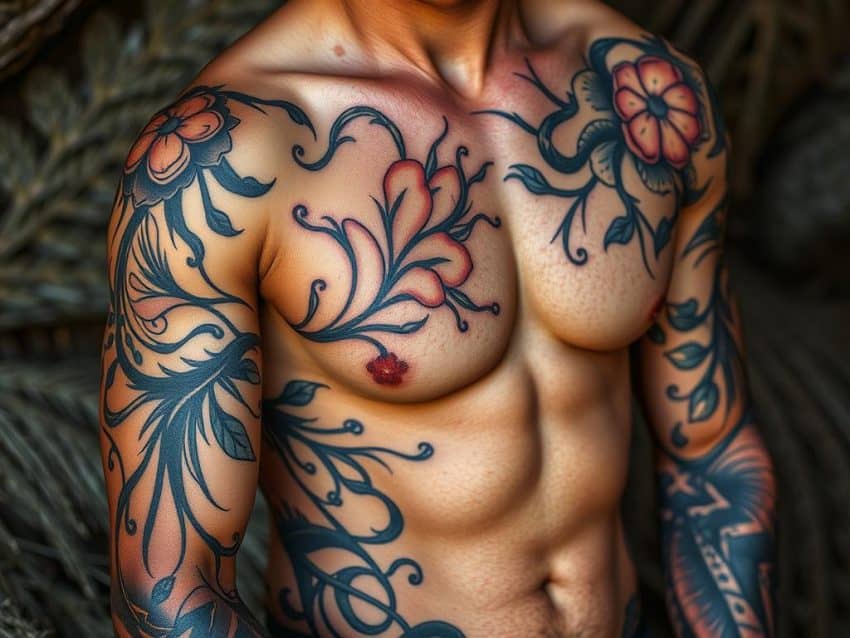
In a busy tattoo studio, the sound of machines buzzing is like music. The tattoos on people’s skin tell their stories. Tattoos have changed from ancient symbols to modern expressions of who we are.
This change shows our personal stories and our shared journey. Tattoos are now about art, feelings, and connections through our skin. Let’s explore how tattoo art has evolved in the 21st century.
Key Takeaways
- Tattoo art has evolved significantly, reflecting cultural diversity and personal stories.
- Modern tattoo styles include everything from photorealistic portraits to minimalist designs.
- Social media plays a critical role in making tattoo art more visible and accepted.
- New trends like UV tattoos and medical artistry show the field’s innovation.
- The tattoo industry is booming, with a U.S. market size over $3 billion.
- Tattoos are a powerful way for people to express themselves and share their stories.
The Evolution of Tattoo Art in the 21st Century
The history of tattoos is a journey from ancient rituals to today’s modern art. Tattoos have been around for over 5,000 years. They were used for healing, identity, and spiritual reasons in ancient cultures.
From Ancient Rituals to Modern Masterpieces
In ancient Rome, tattoos were seen as bad. But today, tattoos are popular and valued at $3 billion in the US. Modern tattoos show off new techniques and styles, like watercolor and realism.
Cultural Significance Throughout History
Tattoos have always held cultural importance. Today, different styles like minimalist and traditional are popular. Over 30% of Americans aged 18 to 29 have tattoos, showing a shift in society’s view.
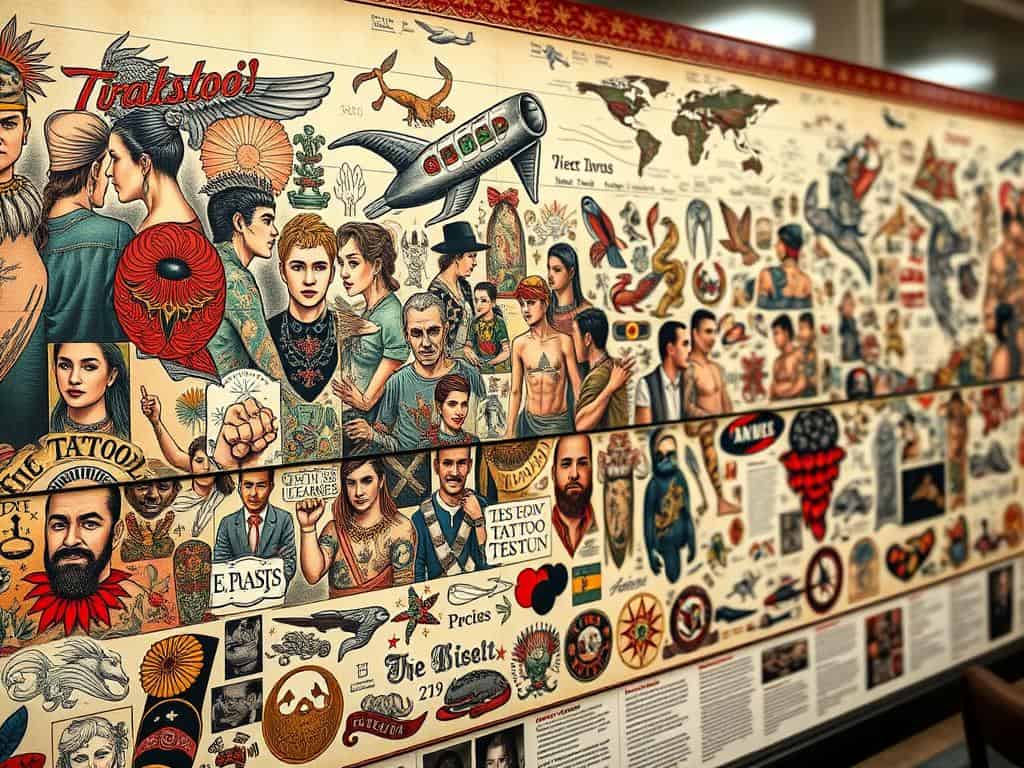
Innovation and Trends in Tattoo Art in the 21st Century
The 21st century has brought a new era to tattoo art. It’s filled with fresh styles and techniques that change how tattoos are made. Artists are always looking to try new things, making tattoos more personal and creative.
These changes show how society values being unique and expressing oneself. This is seen in the choices artists and clients make.
Emerging Styles and Techniques
Watercolor tattoos, realism, and geometric designs are big now. These styles bring personal stories and unique tales into tattoos. Each design is a journey, showing tattoos are more than just body art.
Well-known tattoo artists have helped make these styles popular. They’ve brought new ideas to the art of tattooing. The rise of female tattoo artists is also a big deal, showing a shift in culture.
The Influence of Technology on Tattooing
Technology has changed tattooing a lot. Electric machines make the process 50% faster than old methods. Wireless tattoo pens are also becoming popular, making it easier for artists to work.
Now, 70% of tattoo artists use design software. This helps them be more precise and creative. New inks and laser removal tech have also changed how tattoos are made and modified. This shows how important technology is in tattooing today.
Conclusion
The journey of tattoo art has changed a lot. It started as ancient symbols and now is a respected art form. Tattoos have become a big part of who we are and our culture.
About 47% of Americans have at least one tattoo. This shows tattoos have moved from being rare to being common. They are now a big part of our society.
Tattoos are changing and will keep evolving. They tell our personal stories and show how society changes. Tattoos help people express themselves in today’s busy world.
Technology will play a big role in tattoo art’s future. It will bring new techniques and styles. The tattoo industry is growing fast, expected to hit $3.3 billion by 2025.
This growth shows tattoos are more accepted than ever. They will keep telling our stories and showing our identities. Tattoos are a way to connect and share our experiences.
