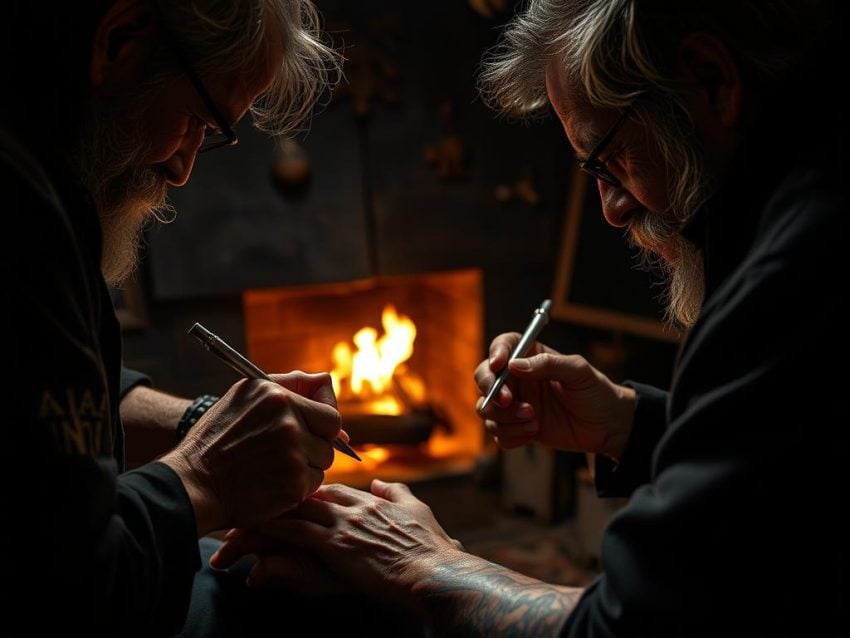
In the soft glow of a tattoo studio, the machine’s hum creates a timeless rhythm. It makes me think about tattooing’s ancient journey. Each line on the skin tells a story, blending heritage with ancient ink from thousands of years ago.
The skills of tattoo artists have been passed down for ages. Polynesian tatau, for example, has kept its stories alive for over 2000 years. It connects people to their ancestors and cultural identity through sacred symbols.
This article will explore tattooing’s rich history and its role in culture. It shows tattooing as more than just a craft. It’s a way to express culture and heritage.
Key Takeaways
- Tattooing has roots tracing back to at least the Neolithic period, serving various purposes across cultures.
- Polynesian tattooing traditions like tatau have remained unbroken for over 2000 years.
- The tattooing process can span months, with healing lasting nearly a year for traditional designs.
- Different cultures utilize tattoos for personal expression, social status, and storytelling.
- Traditional tools and techniques have been preserved through generations, maintaining the craft’s authenticity.
Historical Evidence of Tattooing Practices
Tattooing has a long and complex history. It shows its deep cultural importance in many civilizations. Learning about tattooing origins helps us see how various societies valued it. It went beyond just decoration, connecting with identity, spirituality, and heritage.
Origins of Tattooing in Ancient Cultures
The history of tattooing goes back over 5,000 years. Ancient tattoo cultures left us with many examples. Ötzi the Iceman, from around 3100 BCE, had 61 tattoos on his body.
Ancient Egyptian mummies also show tattoos from 2000 BCE. These tattoos often had spiritual meanings and were used for protection.
Archaeological Discoveries Around the World
Many archaeological tattoo findings have shed light on tattooing’s history. In places like the Nubian kingdom of Makuria and the Philippines, tattoos marked achievements and status. Berber tattoos in North Africa used geometric designs to show identity and beauty.
Each site adds to our understanding of tattooing’s evolution. It shows how tattoos were used in different cultures, blending artifacts with stories.
Tattooing as an Ancient Craft
Tattooing is a tradition that goes deep into culture and personal expression. Many cultures have kept their tattoo methods alive for generations. They focus on traditional techniques and the special tools used.
This craft shows a strong bond to identity, community, and stories.
Techniques Passed Down Through Generations
For centuries, tattoo techniques have been passed down. In Polynesia, “tatau” is a tradition where stories are tattooed on skin. It’s learned through apprenticeships, where young artists learn from experienced ones.
Each tattoo tells a story, showing heritage and values that last forever.
The Role of Traditional Tools in Tattooing
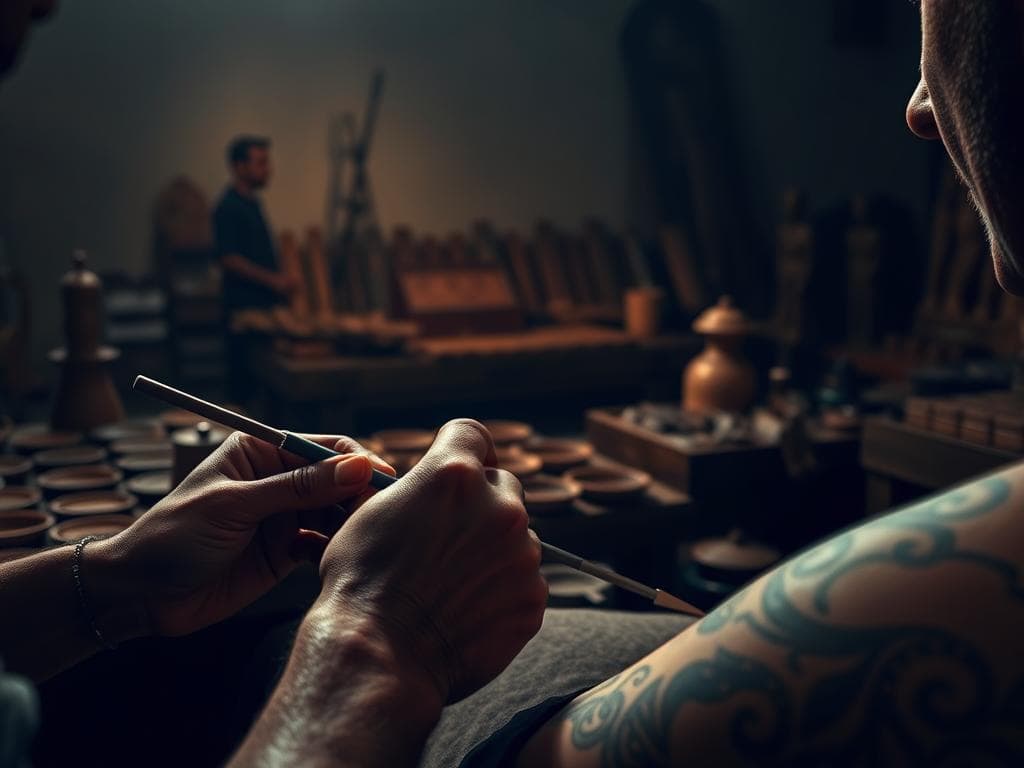
Traditional tattoo tools are key to this art. Methods like hand-tapping and hand-poking use tools from nature, like thorns and shells. The mallet-and-comb method, from Polynesian culture, is over 2,000 years old.
These tools are not just for making tattoos. They carry deep cultural meaning. Many artists today use these tools to keep their craft true to its roots.
The Cultural Significance of Tattoos
Tattoos hold deep meaning in many cultures, going beyond just body art. They connect us to our identity, heritage, and personal history. Tattoos tell our stories to the world, reflecting our journeys and cultural backgrounds.
Tattoos as Symbols of Identity
In many cultures, tattoos are key to showing who we are. In Maori traditions, tattoos called moko show family ties and social status. They tie individuals to their community.
Native American tattoos carry spiritual meaning, linking people to nature and their ancestors. These tattoos celebrate life’s big moments and important achievements. They weave personal stories into the fabric of culture.
Storytelling Through Ink
Storytelling tattoos are a special way to share stories across generations. Each tattoo tells a unique tale, filled with legends, personal milestones, and cultural beliefs. In Polynesian cultures, tattoos like tatau show family bonds, achievements, and spiritual beliefs.
From Japan’s irezumi to Thailand’s sak yant tattoos, art and storytelling blend. These tattoos mark our identity and cultural heritage. They turn our bodies into canvases for life’s stories.
Conclusion
Tattoos are more than just body art. They connect us to our past, blending art, identity, and culture. The techniques used in tattooing show how artists have kept their traditions alive. This lets us appreciate our cultural heritage.
The history of tattoos is fascinating. They started in ancient Egypt, believed to bring health and magic. In Polynesian cultures, tattoos told stories of achievements and roles. Each tattoo has its own story, showing our shared human experiences.
In today’s fast-changing world, we must keep tattoo traditions alive. By mixing old and new, we can keep tattooing vibrant. This way, we ensure the art stays meaningful for generations to come.
