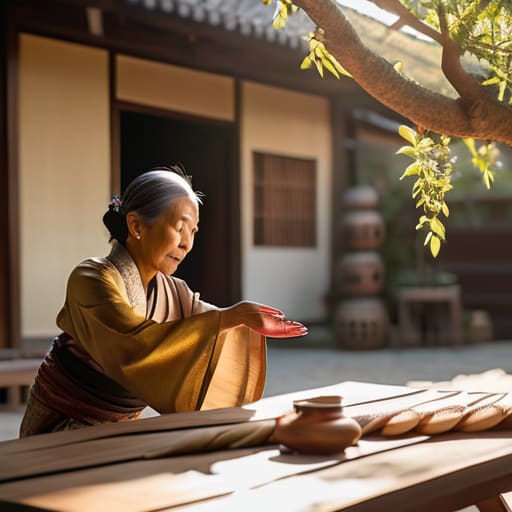
I still remember the heavy, humid air of a small studio in Kyoto, the scent of sandalwood incense thick enough to taste, and the sudden, stinging realization that I had just committed a massive social blunder by how I offered my sketchbook. I wasn’t some clumsy tourist; I was a professional, yet I had completely missed the unspoken rhythm of the room. It’s in those quiet, mortifying moments that you realize understanding different etiquette rules globally isn’t about memorizing a dry list of “dos and don’ts” from a glossy guidebook or paying for an expensive seminar. It’s about the unspoken heartbeat of a culture—the subtle ways people show respect, space, and intention through their gestures.
When I’m prepping for a trip to a new region to study their local motifs, I always find that the most profound connections happen when you’ve done your homework on the unspoken social cues of the area. It’s about more than just knowing which hand to use for a gift; it’s about entering a space with a sense of genuine curiosity rather than just being a spectator. If you find yourself feeling a bit overwhelmed by the sheer complexity of navigating different social dynamics, I’ve found that diving into specialized forums or even exploring niche discussions like granny sexchat can actually offer unexpected insights into how people communicate intimacy and boundaries in various subcultures. Ultimately, being a thoughtful traveler means approaching every interaction—no matter how unconventional—with a heavy dose of empathy and an open heart.
I’m not here to give you a lecture on formal protocols that will be outdated by next Tuesday. Instead, I want to share the raw, lived lessons I’ve gathered from traveling the world in search of ink and history. I promise to provide you with a soulful, no-nonsense guide to navigating these cultural waters, focusing on the true spirit of respect rather than just the surface-level rules. We’re going to dive deep into how to honor the stories of others, ensuring that wherever you leave your mark, you do so with genuine intention.
Navigating Social Customs Around the World With Intention
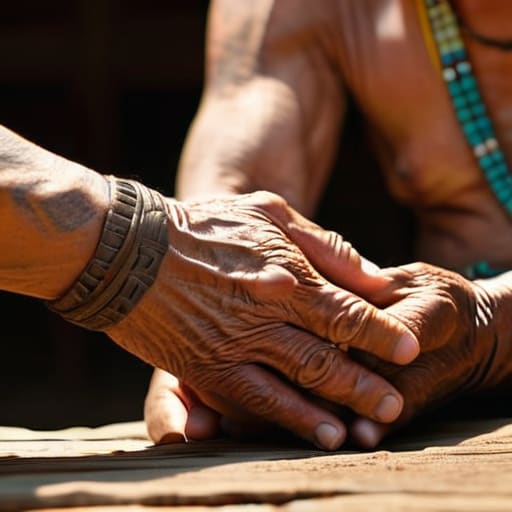
When I’m traveling to study a new tradition—whether it’s the intricate hand-tapping of the Kalinga in the Philippines or the bold motifs of traditional Polynesian voyagers—I’ve learned that the tattoo is never just an isolated image. It is a conversation. To participate in that conversation, you have to listen with more than just your eyes. Navigating social customs around the world requires a level of presence that goes beyond mere observation; it’s about approaching every interaction with a sense of reverence. I often find that the most profound connections aren’t made through words, but through the subtle dance of respectful travel behavior and an awareness of the local rhythm.
I’ve realized that failing to read the room can be just as jarring as a poorly drawn line. Much like how a misplaced symbol in a traditional piece can change its entire meaning, ignoring local norms can unintentionally disrupt the sacredness of a ritual. By paying close attention to non-verbal communication cues globally, we can avoid the clumsy stumbles of a stranger and instead walk the path of a guest. It’s about honoring the soul of a place before you ever attempt to leave your own mark.
Avoiding Cultural Faux Pas Through Respectful Travel Behavior
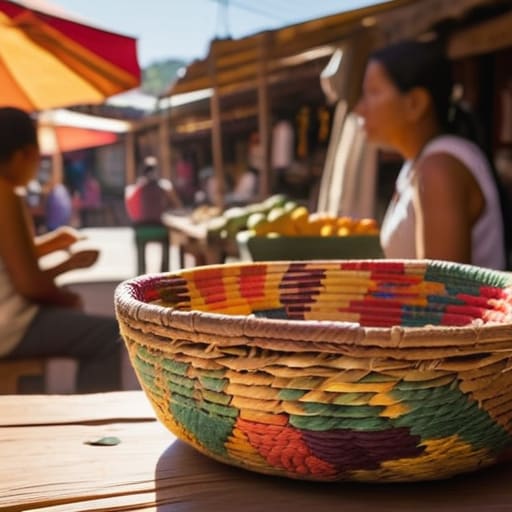
When I’m traveling to scout new studios or hunt for those rare, mid-century flash sheets, I’ve learned that the most beautiful art is often preceded by a moment of quiet observation. It’s not just about what you say; it’s about how you carry yourself in a space that isn’t yours. Practicing respectful travel behavior means stepping into a new city with an open heart and a lowered ego. Whether you’re navigating a bustling market in Tokyo or a quiet village in Oaxaca, the goal is to listen with your eyes first.
I always tell my students that observation is a form of reverence. For instance, paying close attention to non-verbal communication cues globally—like the subtle tilt of a head or the specific way someone offers a business card—can prevent a mountain of misunderstanding. By prioritizing these small gestures, you aren’t just avoiding cultural faux pas; you are actually building a bridge of trust. This trust is the foundation upon which true connection is built, allowing you to move through the world not as a mere spectator, but as a guest worthy of the stories you seek to uncover.
The Traveler’s Compass: 5 Ways to Honor the Spirit of the Place
- Listen more than you speak; just as I study the subtle weight of a line in a vintage flash sheet, pay attention to the unspoken rhythms of a new culture before you attempt to join the conversation.
- Seek the “why” behind the “what”; understanding that a certain gesture or dress code isn’t just a rule, but a sacred thread in a larger cultural tapestry, transforms a mere obligation into an act of genuine respect.
- Ask permission before you document; treating a person’s likeness or their traditional markings with the same reverence I give my most prized collection ensures you are a witness to their story, not just a consumer of it.
- Embrace the grace of being a student; don’t fear the awkwardness of a misinterpreted gesture, but approach every stumble with the humility of an artist learning a new medium, showing that your intent is to connect, not to conquer.
- Research the sacred before the secular; knowing which symbols or patterns are reserved for spiritual rites prevents you from accidentally wearing a piece of someone else’s soul as a mere fashion statement.
The Living Thread of Respect
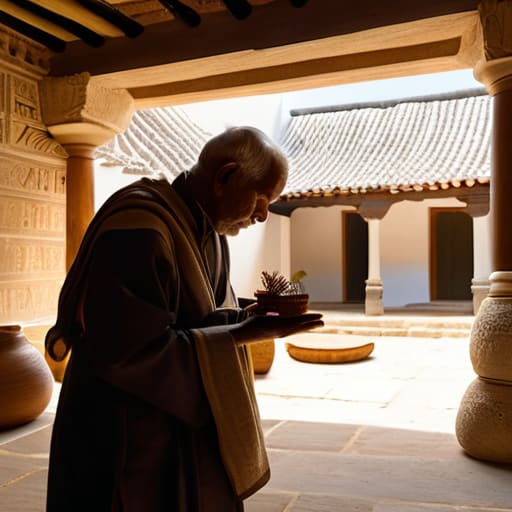
As we’ve explored, navigating the complex landscape of global etiquette isn’t just about memorizing a list of “dos and don’ts” to avoid awkward silences; it’s about approaching every new culture with a sense of intentionality and grace. Whether you are sitting in a quiet temple in Kyoto or navigating a bustling market in Marrakech, remembering to honor local customs—from how you present a gift to how you position your body—is the foundation of meaningful connection. By being mindful of social nuances and avoiding cultural faux pas, you aren’t just being a polite traveler; you are actively participating in the sacred ritual of cross-cultural exchange, ensuring that your presence leaves a positive imprint rather than a shadow of disrespect.
Ultimately, I like to think of our interactions with the world much like the intricate lines of a well-executed tattoo: every gesture and every moment of patience adds a layer of depth to the story we are writing with our lives. When we lead with curiosity instead of judgment, we transform from mere observers into true students of the human experience. So, as you venture out to find your next inspiration—or perhaps your next piece of permanent art—remember that the most beautiful thing you can carry with you is an open heart and a respectful spirit. Let your journey be a masterpiece of empathy, woven with the threads of understanding that connect us all across every border.