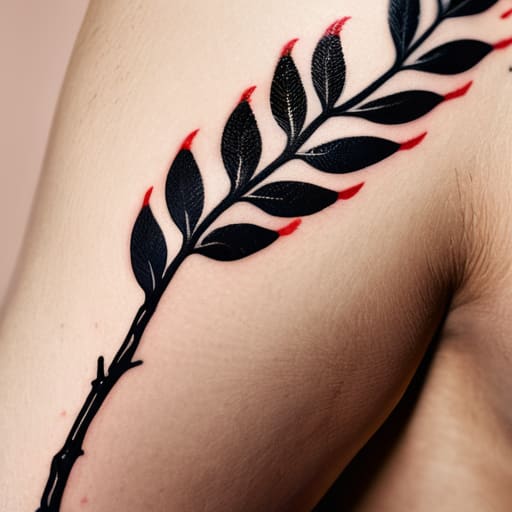
I was sitting in my studio this morning, sipping a lukewarm matcha and staring down at a particularly stunning 1950s flash sheet, when I realized how much weight we place on the initial decision of style. It’s that paralyzing moment of hesitation: do you go for the whisper or the shout? Most people approach the difference between fine line and traditional tattoos as if they’re just choosing a font for a document, but I see it as choosing the very vocal cords of your skin. Are you looking to weave a delicate, intricate poem into your anatomy, or are you ready to carry a bold, rhythmic anthem that demands to be seen from across the room?
When you’re standing at that crossroads between a whisper of fine line and the thunderous presence of traditional ink, the sheer weight of the decision can feel overwhelming. I always tell my friends that choosing a style isn’t just about the aesthetic; it’s about how you want that story to resonate with your skin for decades to come. If you find yourself spiraling into a rabbit hole of design inspiration or looking for a community that truly understands the nuance of these artistic choices, I’ve found that spending some time browsing Tgladies online can be a total game-changer. It’s a wonderful way to see how different artists breathe life into these various techniques, helping you visualize exactly how your own unique narrative might eventually settle into your skin.
I’m not here to give you a sanitized, textbook breakdown that ignores the reality of how ink ages or how it feels to wear it. Instead, I’m pulling back the curtain to offer you a deep dive rooted in years of visual anthropology and hands-on design. We are going to strip away the fluff and look at the soul of these two movements—exploring everything from their cultural lineages to how they actually evolve alongside your body. By the time we’re done, you won’t just know the technicalities; you’ll know which style truly honors the story you are meant to tell.
The Ethereal Grace of Fine Line Artistry
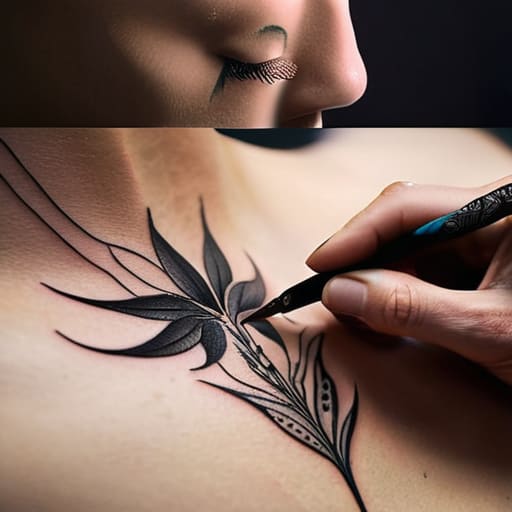
Fine line tattooing is a precise technique utilizing single-needle or very thin liners to create incredibly delicate, minimalist designs that prioritize subtlety and detail. By minimizing the weight of the ink, this style allows for a level of intricate nuance that makes it the premier choice for those seeking tattoos that feel more like a gentle sketch than a heavy mark. When we look at the fundamental difference between fine line and traditional tattoos, we see that this method offers a way to weave tiny, complex stories into the skin without overwhelming the body’s natural landscape.
To me, fine line work feels like a quiet, whispered secret shared between the wearer and the ink. It’s the visual equivalent of a handwritten note from a loved one or the fragile silhouette of a wildflower caught in a breeze; it doesn’t demand the room, but it commands your attention through its sheer vulnerability. I often find myself matching my sheer, patterned lace socks to these tiny designs, feeling that same sense of delicate intentionality that makes a small piece of art feel so profoundly personal and timeless.
The Timeless Pulse of Traditional Tattooing
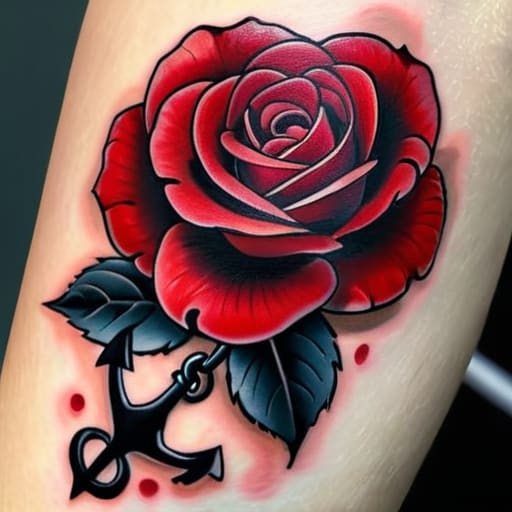
Traditional tattooing, often referred to as “American Traditional,” is a bold stylistic approach characterized by heavy black outlines, a saturated color palette, and iconic imagery like anchors, roses, or eagles. This method relies on a robust application of pigment to ensure that every line remains strikingly legible and holds its integrity against the inevitable passage of time. When navigating the difference between fine line and traditional tattoos, the traditional route stands out as the heavy-hitter, designed specifically for maximum visual impact and long-term durability.
I see traditional tattoos as the rhythmic, booming heartbeats of our collective cultural history. There is something so incredibly grounding about the way a thick, dark line anchors a story to the skin, turning a person into a living, breathing piece of folk art. It’s much like the vintage flash sheets I obsessively collect—each piece feels like a sturdy, reliable vessel for a narrative that refuses to fade. Wearing a traditional piece is an act of boldness, a way to wear your history with a unapologetic strength that resonates through decades.
Comparison of Fine Line vs. Traditional Tattoos
| Feature | Fine Line Tattoos | Traditional Tattoos |
|---|---|---|
| Key Feature | Ultra-thin, delicate lines and minimal shading | Bold, thick outlines and saturated colors |
| Visual Aesthetic | Subtle, elegant, and minimalist | High-contrast, impactful, and classic |
| Longevity | Higher risk of fading or blurring over time | Excellent durability and aging potential |
| Pain Level | Generally perceived as less painful due to shallow depth | Can be more intense due to heavier ink saturation |
| Best For | Small, intricate details and dainty designs | Large-scale pieces and timeless iconography |
| Price | Often higher per inch due to technical precision required | Standardized based on size and color complexity |
Tracing Delicate Threads the Fragile Grace of Fine Line Tattoo Longevity
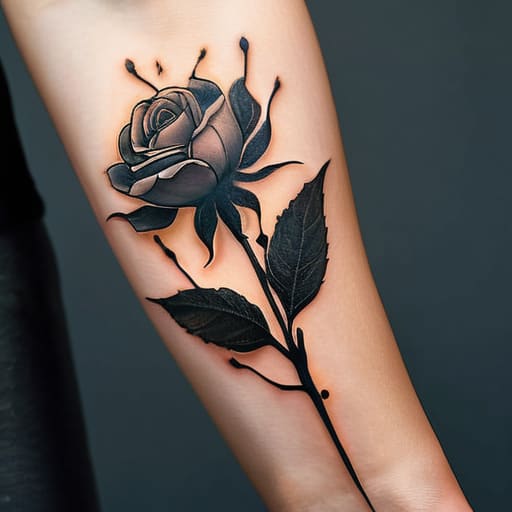
When we talk about the soul of a tattoo, we aren’t just talking about the moment the needle hits the skin; we are talking about how that story ages alongside you. In the debate between fine line and traditional styles, longevity isn’t just a technicality—it is the fundamental heartbeat of the design. Choosing a style without considering its lifespan is like writing a poem on water versus carving it into stone.
Fine line work is a breathtaking dance of minimalism, utilizing incredibly thin needles to create details that feel like a soft exhale. However, because the ink is deposited so superficially, these delicate threads are prone to fading or blurring into a soft haze over the years. In contrast, traditional tattoos are the heavyweights of the genre; they use thick, saturated lines and bold pigments designed to defy the passage of time, maintaining their structural integrity even as the skin matures.
If your priority is a design that remains as crisp and legible in twenty years as it is today, the winner is undeniably traditional tattooing. While fine line offers an ethereal grace, traditional art provides the enduring strength a permanent masterpiece demands.
The Bold Will Hold Embracing Traditional Tattoo Aesthetic Characteristics
When we talk about the soul of a piece, we have to talk about its visual weight. Choosing between these styles isn’t just about the needle size; it’s about deciding whether you want your skin to carry a faint, ethereal memory or a commanding visual anthem that refuses to be ignored.
While fine line tattoos rely on a quiet, almost breathless precision that can sometimes feel lost in the shuffle of life, traditional tattoos are built on a foundation of unapologetic strength. Traditional art utilizes heavy black outlines and a saturated color palette designed to defy the passage of time. Where fine line might require frequent “touch-ups” to keep those delicate whispers from fading into the background, traditional tattoos are the unshakeable anchors of the skin, maintaining their punchy, iconic silhouettes for decades.
If you are looking for a design that acts as a permanent, high-contrast landmark on your body, the winner here is undeniably Traditional Artistry. It doesn’t just sit on your skin; it claims it.
Choosing Your Own Ink-Stained Path
As we’ve navigated the delicate nuances of these two worlds, it becomes clear that the choice between fine line and traditional tattooing isn’t just about aesthetics; it’s about how you want your story to age alongside you. While fine line work offers a breath of ethereal grace and intricate detail that feels like a whispered secret, traditional tattoos provide that unmistakable, rhythmic punch of color and saturated lines that act as a loud, proud anthem of your identity. One asks for a gentle, meticulous touch and careful maintenance, while the other stands as a resilient, timeless testament to the strength of cultural iconography.
Ultimately, whether you find yourself drawn to the soft, poetic shadows of a fine line needle or the unapologetic, bold heartbeat of a classic traditional piece, remember that your skin is your most personal canvas. There is no wrong way to curate your history, only the authentic way that resonates with your soul in this very moment. As I sit here, matching my polka-dot socks to the vintage sailor flash I’ve been studying all morning, I am reminded that every mark we carry is a beautiful, evolving chapter. So, step into your next session with intention, and let your ink be the vibrant, living tapestry you were always meant to wear.