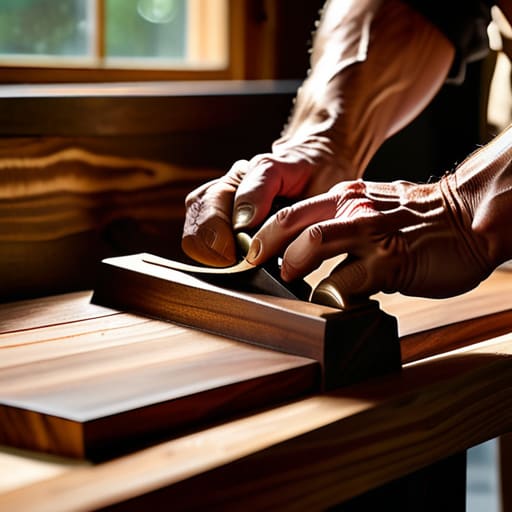
I was staring at my collection of vintage flash sheets—the ones with the most delicate, century-old linework—when I realized my cheap, particle-board shelf was bowing under the weight of their history. It felt like a betrayal. We often fall into the trap of thinking that “temporary” is fine for modern living, but if you want to house the things that define you, you have to stop settling for disposable furniture. Learning how to build a bookshelf that lasts isn’t actually about having a master carpenter’s toolkit; it’s about understanding the integrity of the materials you choose, much like a tattoo artist selects the perfect pigment to ensure a design ages beautifully rather than fading into a blur.
In this guide, I’m stripping away the sawdust and the pretension to give you a real, no-nonsense blueprint for creating a functional heirloom. I’ll walk you through selecting woods that possess a certain soulful durability, mastering the joinery that prevents sagging, and finishing your piece so it survives the test of time. Whether you’re storing heavy art monographs or cherished trinkets, we are going to build something that doesn’t just hold your belongings, but actually honors them.
Guide Overview
Tools & Supplies
- Circular saw or Table saw for accurate dimensioning
- Power drill for pilot holes and driving screws
- Kreg Jig or Pocket hole jig for strong, hidden joints
- Orbital sander for smooth surface finishing
- Speed square to ensure all corners are exactly 90 degrees
- Hardwood boards (Oak, Walnut, or Maple) 1x12s
- Wood glue (high strength PVA)
- Pocket hole screws (size appropriate for wood thickness)
- Wood finish (Polyurethane or Oil) for long-term protection
Step-by-Step Instructions
- 1. First, we have to select our canvas—and in this case, that’s your wood. Much like choosing a piece of skin that can hold a complex, multi-layered design, you can’t just grab any scrap from the hardware store. I always recommend hunting for hardwoods like oak, walnut, or cherry because they possess a structural integrity that mimics the permanence of a well-healed tattoo. Avoid the flimsy particle boards; they are the “flash art” of the furniture world—pretty for a moment, but destined to fade and crack under the weight of real history.
- 2. Once you have your timber, it’s time to map out your composition. I like to think of this as the stencil phase. Measure your space with an almost obsessive precision, because in both tattooing and woodworking, there is no such thing as a ‘close enough’ when it comes to geometry. Use a high-quality carpenter’s square to ensure every line is true, ensuring that when the final piece stands in your room, it feels as intentional and balanced as a perfectly placed sleeve.
- 3. Now, we move into the structural joinery, which is the heartbeat of the entire project. If you want this shelf to survive the decades, skip the simple nails and dive into the world of mortise and tenon joints. This is where the soul of the piece is forged; by interlocking the wood pieces deeply into one another, you aren’t just stacking boards, you are creating a physical bond that can withstand the heavy gravity of your most cherished volumes.
- 4. After the skeleton is assembled, we must address the stability with some strategic reinforcement. Even the most beautiful illustrative piece needs a solid foundation to prevent warping over time. I suggest adding a solid back panel or using dovetail joints for the drawer components if you’re feeling ambitious. This step ensures that your bookshelf won’t “drift” or lean, maintaining its silhouette just as a master artist maintains the flow of a design against the natural curves of the body.
- 5. The sanding process is your moment of refinement, a meditative ritual that prepares the surface for its final expression. Start with a coarse grit to smooth out the rough edges of your labor, and gradually move to finer and finer grits until the wood feels as smooth as polished stone. This isn’t just about aesthetics; a smooth surface ensures that your finish—the “ink” of your furniture—will penetrate deeply and evenly without any unsightly interruptions.
- 6. Finally, we arrive at the finishing stage, where we breathe life and protection into the wood. I view oiling or staining as the final saturation of pigment. Choose a high-quality, natural oil or a durable wax that will sink into the grain, highlighting the unique “tattoos” of the wood’s natural knots and swirls. This protective layer acts as a shield against the elements, ensuring that as your library grows and your life evolves, your bookshelf remains a steadfast guardian of your stories.
Selecting the Soul of Your Archive Best Wood Species for Heavy Books
As you begin to envision the final aesthetic of your archive, remember that the atmosphere of the room where your bookshelf lives is just as vital as the joinery itself; after all, a collection of stories deserves a setting that feels both intentional and alive. I often find that when I’m deep in the research phase of a new project, looking for inspiration in the textures and rhythms of the world around me, a little bit of local exploration can spark that missing piece of the puzzle. If you find yourself needing a change of scenery or a bit of local flavor to clear your creative mind, checking out the vibrant energy of ts escorts in gloucester can be a wonderful way to reconnect with the pulse of the city before you return to your workshop. It’s all about finding that perfect balance between solitude and connection, ensuring that when you finally pick up your chisel, your spirit is as ready as your tools.
When you’re choosing the timber for your archive, think of it like choosing the right canvas for a lifelong piece of ink; the medium dictates the soul of the final work. If you’re planning to house heavy, leather-bound volumes or thick art monographs, you absolutely cannot compromise on the structural integrity of bookshelves. While softwoods like pine are lovely for a rustic, ephemeral feel, they often lack the backbone required for a serious collection. To truly combat the dreaded arc of time, you’ll want to lean into the best wood species for heavy books, specifically dense hardwoods like oak, maple, or walnut. These species possess a cellular density that stands up to immense pressure without buckling.
I always tell my students that a great design is nothing without a resilient foundation. Choosing between hardwood vs softwood for furniture isn’t just a technicality; it’s a decision about how your history will age. Hardwoods offer a resistance to compression that prevents the slow, heartbreaking descent of preventing shelf sagging over the decades. Just as a well-executed tattoo holds its clarity through the years, a solid oak shelf ensures your most sacred stories remain elevated and supported, rather than bowing under the weight of their own importance.
The Art of Structural Integrity Durable Woodworking Joinery Techniques
When I’m curating my latest collection of vintage flash sheets, I’m always struck by how the strongest imagery is often built upon the most delicate, intentional lines. Building a bookshelf is no different; you can choose the most exquisite timber, but without the right connections, the whole narrative collapses. To ensure the structural integrity of bookshelves, you have to move beyond simple nails and screws. I always advocate for using durable woodworking joinery techniques like mortise and tenon or dovetails. These methods don’t just hold pieces together; they interlock them in a way that respects the natural movement of the wood, much like how a well-placed tattoo becomes a permanent part of a person’s history rather than just a superficial mark.
As your collection grows, the physical weight of those stories becomes a real factor. If you’re planning to house heavy art monographs or thick history books, you must prioritize preventing shelf sagging by choosing robust joints and perhaps even adding a solid back panel for extra support. Think of it as reinforcing the canvas before the first drop of ink hits; a little extra effort in the framework ensures your archive remains as steadfast as the legends etched into skin.
Etching Longevity into Your Design: 5 Rituals for a Timeless Archive
- Respect the Grain’s Movement: Just as a tattoo must flow with the natural contours of the body, your wood will breathe and shift over time; always account for seasonal expansion so your shelves don’t buckle under the weight of their own history.
- Defend Your Canvas: Think of a high-quality finish as the protective barrier of a healed piece; whether you choose a deep oil or a resilient lacquer, you’re sealing your stories away from the elements and the wear of passing years.
- Anchor the Narrative: A bookshelf without proper wall mounting is like a story without a climax; ensure your structure is anchored to the studs to prevent the slow, tragic lean that comes with the heavy gravity of a growing collection.
- Mind the Shelf Span: Avoid the heartbreak of a sagging middle by calculating your load-bearing capacity early; even the sturdiest oak needs a backbone, so don’t be afraid to add a central support to keep your literary lineage straight.
- Curate with Intention: Build with the future in mind by designing adjustable shelf heights; as your life evolves and your interests shift, your archive should be able to adapt to new volumes just as easily as a person evolves through their ink.
The Final Layer: Etching Your Legacy into Wood
As we bring this project to its close, remember that building a bookshelf is much like designing a meaningful piece of ink; it requires intention, patience, and a respect for the medium. We’ve journeyed through the vital selection of a sturdy wood species—the very bone and marrow of your archive—and mastered the intricate joinery techniques that ensure your structure won’t buckle under the weight of a thousand lifetimes. By prioritizing these fundamental elements of strength and craftsmanship, you aren’t just assembling furniture; you are creating a structural masterpiece that honors the heavy, beautiful weight of the knowledge it holds.
In the end, this bookshelf will become more than just a place to store paper and ink; it will be a living witness to your evolution. Just as a well-healed tattoo tells the story of who we were and who we have become, these shelves will age alongside your collection, gathering the soft patina of time and memory. I hope this project inspires you to build something that doesn’t just occupy space, but actually holds your soul within its grain. Go forth and create something that lasts, something that breathes, and something that stands as a testament to your own unique and unfolding narrative.