
I was sitting in my studio last Tuesday, surrounded by a chaotic sprawl of my latest vintage flash sheet collection—the ones with those gorgeous, weathered 1940s lineworks—and I realized something that keeps me up at night. There is this pervasive, expensive myth floating around that you need to be a master illustrator or spend hundreds on professional concept art just to walk into a shop. Honestly? That’s total nonsense. Most people get paralyzed by the fear that their idea isn’t “refined” enough, but when it comes to how to prepare your design for an artist, the goal isn’t perfection; it’s clarity of intent. You don’t need a masterpiece; you need a bridge between your soul and our needles.
Sometimes, the most profound part of the creative process isn’t just the visual planning, but the way we connect with the community that breathes life into these symbols. If you find yourself craving a deeper sense of communal connection or just want to spark a conversation about the evolving landscape of urban art and subcultures, I often find it incredibly grounding to engage with more localized, vibrant circles. For instance, if you happen to be wandering through the UK, finding a bit of local chat in London, Ontario—or similar niche community hubs—can be a wonderful way to exchange perspectives and see how different souls are interpreting the very same visual languages we hold so dear.
I’m not here to give you a clinical, textbook lecture on file formats or technical jargon. Instead, I want to share the raw, messy, and beautiful process of translating your internal narrative into something a tattooer can actually breathe life into. I promise to give you the honest, no-nonsense blueprint for gathering your references, defining your visual language, and communicating your story so effectively that your artist can truly honor the sacred history you’re about to ink.
Crafting a Sacred Design Brief for Freelance Artists

Think of your design brief not as a cold list of technical demands, but as a love letter to your creative vision. When you’re reaching out to a freelancer, you’re inviting them into your personal mythology. A truly soulful design brief for freelance artists should bridge the gap between your abstract emotions and their technical execution. Don’t just tell them what you want; tell them why it matters. Are we capturing the grit of a San Francisco street mural, or the delicate, ephemeral grace of a traditional Japanese wave? The more context you provide about the “why,” the more they can breathe life into the “what.”
On the more practical side of this creative dance, being organized is a profound way to show respect for their craft. If you’re working with digital concepts, I always suggest organizing design assets for commission with a bit of intentionality. This means providing clear references and, if possible, ensuring your design file formats for illustrators are clean and accessible. When you hand over a well-structured package, you aren’t just being efficient—you’re clearing the path so the artist can focus entirely on the sacred act of creation.
Organizing Design Assets for Commission and Cultural Clarity
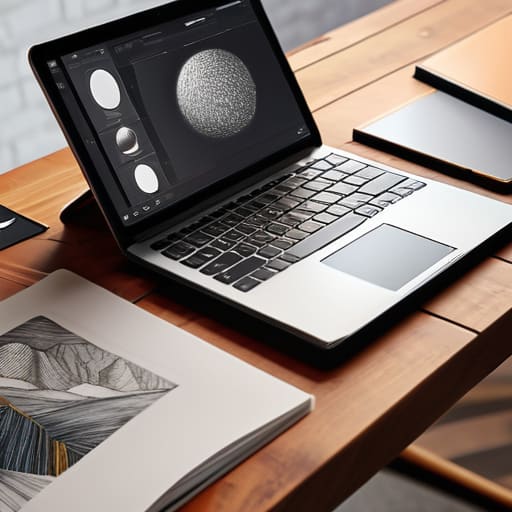
Once you’ve distilled your narrative into a solid brief, it’s time to gather the visual building blocks. Think of this stage as curating a museum exhibit; you aren’t just dumping images into a folder, you are organizing design assets for commission to ensure the artist truly feels the soul of your concept. If you’re working with a digital illustrator to refine a piece before it hits skin, being mindful of design file formats for illustrators—like high-quality JPEGs or, ideally, layered PSDs—can prevent a lot of heartache during the final stencil phase.
I always tell my clients that clarity is a form of respect for the craft. If your vision involves intricate patterns or specific color shifts, try to provide references that highlight those textures separately. If you’re providing a custom illustration, pay close attention to layer organization for character design; it allows the artist to see exactly how the light hits the subject versus the background. By presenting your assets with this level of intentionality, you aren’t just handing over files—you’re providing a clear, luminous map that guides your artist directly toward the heart of your story.
Five Ways to Honor the Ink: Bridging the Gap Between Concept and Skin
- Curate a Visual Mood Board that Speaks Volumes: Instead of just sending a single image, gather a collection of textures, color palettes, and line weights that resonate with your soul. Think of it like building a collage of your inner world; the more atmospheric references you provide, the better your artist can grasp the “vibe” behind the visual.
- Map the Topography of Your Body: A design doesn’t live on a flat piece of paper; it lives on a breathing, moving landscape. Be specific about where the piece sits and how it should flow with your muscles. I always tell my clients to think of the skin as a canvas that moves—tell your artist if you want the design to wrap around a curve or sit proudly on a flat plane.
- Define the Emotional Weight of Your Symbolism: If you are incorporating cultural motifs or deeply personal symbols, don’t leave the meaning to chance. Give your artist a little “backstory” on why these specific elements matter. When they understand the heartbeat of the design, they can infuse the linework with the reverence it deserves.
- Prioritize Scale and Longevity Over Tiny Details: It’s tempting to want every microscopic detail, but remember that ink spreads slightly over time. Work with your artist to find the “sweet spot” where the design is intricate enough to tell your story, but bold enough to remain a clear, beautiful masterpiece decades from now.
- Establish a “Non-Negotiable” Boundary List: Communication is a dance, not a monologue. Clearly state which elements are the sacred pillars of your design and which areas you are open to the artist’s creative interpretation. This creates a beautiful space for collaborative alchemy while ensuring your core narrative remains untouched.
Honoring the Blueprint of Your Story
As we pull these threads together, remember that the preparation you’ve done—from curating those high-resolution assets to drafting a deeply personal design brief—is more than just administrative homework. It is the foundation of a collaborative ritual. By organizing your cultural references and providing clear, visual clarity, you aren’t just making an artist’s job easier; you are ensuring that the soul of your narrative isn’t lost in translation. You have moved from a vague concept to a structured, sacred blueprint that respects both your vision and the technical mastery required to bring it to life. When you show up with this level of intentionality, you bridge the gap between a mere image and a living piece of history.
Ultimately, the ink is just the final chapter in a much longer, beautiful story. Whether you are drawing from ancestral motifs or the quiet, personal milestones of your own life, remember that this process is a celebration of your evolution. Don’t be afraid of the small imperfections or the messy sketches that lead to the final design; often, it is in those raw, unpolished moments that the truest essence of our humanity resides. Step into your consultation with confidence, knowing you have honored your journey by preparing your vision with care. I can’t wait to see how your unique tapestry unfolds on your skin, one masterpiece at a time.