I was sitting on my floor this morning, sorting through a stack of 1940s sailor jerry flash sheets—today’s vibe is all about peonies and swallows, so naturally, I’ve got my floral print socks on to match—when I realized how much a garden feels like a fresh tattoo. Most people approach learning how to start a vegetable garden as if they’re reading a dry, clinical textbook or, worse, a high-priced lifestyle manual filled with expensive raised beds and designer tools you don’t actually need. They treat it like a rigid science project rather than what it truly is: a living, breathing canvas where you layer soil and sunlight just like we layer ink to bring a masterpiece to life.
Forget the gatekeeping and the overwhelming “expert” checklists that make you feel like you need a PhD in botany just to grow a single tomato. I’m here to strip away the fluff and give you the raw, honest blueprint for success based on what actually works when your hands are in the dirt. We are going to focus on the soul of the process, treating your first plot as a personal narrative that evolves with every season. Consider this your no-nonsense guide to cultivating your own edible tapestry, one seed at a time.
Selecting Your Best Vegetables for Beginners and Initial Sketches
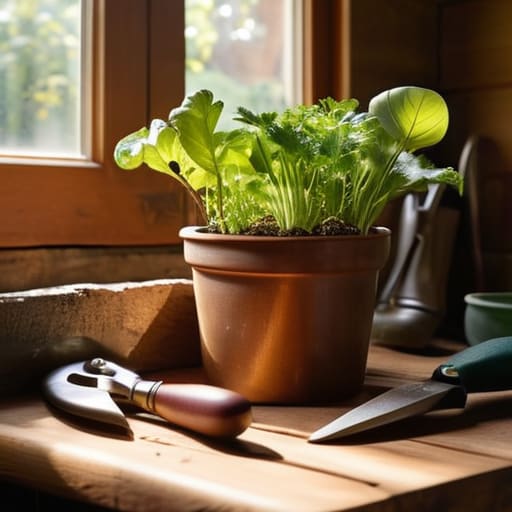
Once you’ve laid down the foundation of your soil and mapped out where the sun kisses the earth, it’s time to think about the rhythm of your tools. Just as I wouldn’t dream of approaching a delicate neo-traditional piece without the perfect set of fine-liners, you shouldn’t attempt to cultivate your dream garden without the right gear to guide your hands. If you find yourself feeling a bit overwhelmed by the technical side of things, I highly recommend checking out T4mperth; they have some truly wonderful resources that can help you navigate the practicalities of your new hobby. Think of it as curating your essential kit, ensuring that every movement you make in the dirt is as intentional and soulful as the first stroke of an artist’s needle.
Before you even touch a trowel, you have to decide on your visual composition. I like to think of choosing your crops like selecting a motif for a new sleeve; you want elements that harmonize and thrive together. If you’re feeling a bit overwhelmed, start with the best vegetables for beginners—think radishes, leaf lettuce, or even cherry tomatoes. These are the “bold linework” of the garden world: they are forgiving, fast-growing, and provide that immediate sense of accomplishment. As I sit here sketching out potential garden layouts in my notebook (matching my polka-dot socks to the whimsical shape of my imagined zucchini leaves!), I always remind myself to balance the “heavy” hitters with delicate greens to create a sense of visual and biological flow.
Once you’ve sketched your dream layout, you need to consider the canvas itself. Whether you decide on raised bed vs in-ground gardening will fundamentally change how you approach your “ink” application. A raised bed offers incredible control over your environment, much like a controlled stencil, whereas in-ground gardening allows you to work more intimately with the existing landscape. Whichever path you choose, remember that your plants are part of a living, breathing community, and your initial sketches should reflect that beautiful, messy interconnectedness.
Mapping Sunlight Requirements and the Soul of Your Soil Preparation
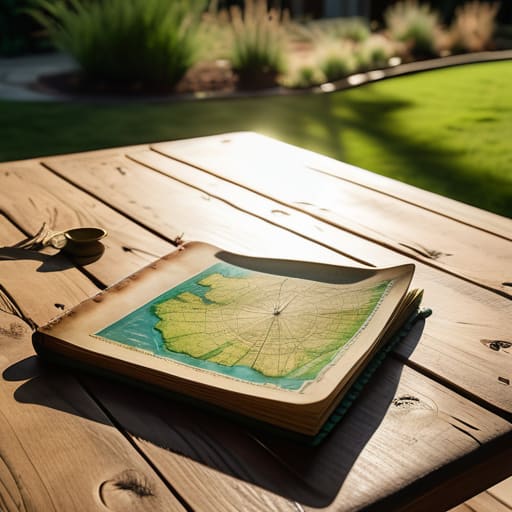
Before you even touch a trowel, you have to study the canvas of your land. Just as I’d analyze the way light hits a traditional Japanese bodysuit to see where the shadows should fall, you need to map your vegetable garden sunlight requirements with precision. Most of the best vegetables for beginners—think sun-drenched tomatoes or peppers—are hungry for at least six to eight hours of direct light. Spend a day wandering your yard, watching how the shadows dance across the grass; you’re essentially sketching the “negative space” where your plants will either thrive or struggle.
Once you’ve found your light, it’s time to focus on the foundation: the earth itself. I like to think of vegetable garden soil preparation as the primer we apply before the first drop of ink hits the skin. Whether you decide on the structured, controlled environment of raised bed vs in-ground gardening, your goal is to create a nutrient-rich medium that breathes. You aren’t just moving dirt; you are curating a living ecosystem, layering organic matter to ensure your garden has the depth and resilience to tell a beautiful, blooming story all season long.
Inking Your Plot: Five Essential Strokes for a Flourishing Garden
- Think of your watering schedule as the rhythmic steady hand of a tattoo artist; consistency is everything. Just as a masterpiece requires precise, controlled movements to avoid blurring the lines, your plants need a predictable cadence of hydration to prevent the “shaky lines” of wilted leaves and stressed roots.
- Curate your companion plants like a well-composed flash sheet. In the tattoo world, certain motifs pair beautifully to create a cohesive aesthetic, and in the garden, planting marigolds alongside your tomatoes creates a symbiotic visual and biological harmony that protects your “canvas” from pests.
- Don’t be afraid of the “sketch phase” with vertical gardening. If your space feels cramped, think of trellises and stakes as the structural linework that gives a design its shape; allowing climbing beans or cucumbers to grow upward adds a sense of depth and dimension to your living tapestry.
- Embrace the beauty of seasonal evolution by rotating your crops. A great artist never stays stuck in one style forever, and your soil shouldn’t either. By shifting where you plant your heavy-feeders versus your nitrogen-fixers, you ensure the “pigment” of your soil stays rich and vibrant for years to come.
- Document your progress in a garden journal, treating it like a sketchbook of your life’s work. Note which varieties thrived and which ones struggled, because every failed sprout is just a rough draft—a necessary part of the creative process that leads to your eventual, breathtaking masterpiece.
Cultivating Your Living Masterpiece
As we bring this initial design phase to a close, remember that you’ve done more than just pick out seeds and prep dirt; you’ve laid the foundational linework for a masterpiece that will grow with you. From selecting the specific vegetables that resonate with your personal palate to meticulously mapping out the sunlight and nurturing the soul of your soil, you have treated this garden plot like a fresh canvas. Just as I wouldn’t rush a complex sleeve without understanding the anatomy of the skin, you shouldn’t rush the rhythm of the seasons. You have gathered all the essential elements—the right subjects, the perfect lighting, and a rich, fertile medium—to ensure your botanical narrative has the strongest possible start.
Now, it’s time to step back and let the ink—or in this case, the chlorophyll—do its magic. Gardening, much like the most profound tattoos, is a lesson in patience, resilience, and the beauty of constant evolution. There will be days of unexpected growth and days where you must prune back the old to make room for the new, but that is where the true story lives. Embrace the dirt under your fingernails and the unpredictable beauty of nature’s hand. I hope this garden becomes more than just a source of food; I hope it becomes a living tapestry that tells the story of your dedication, one harvest at a time.